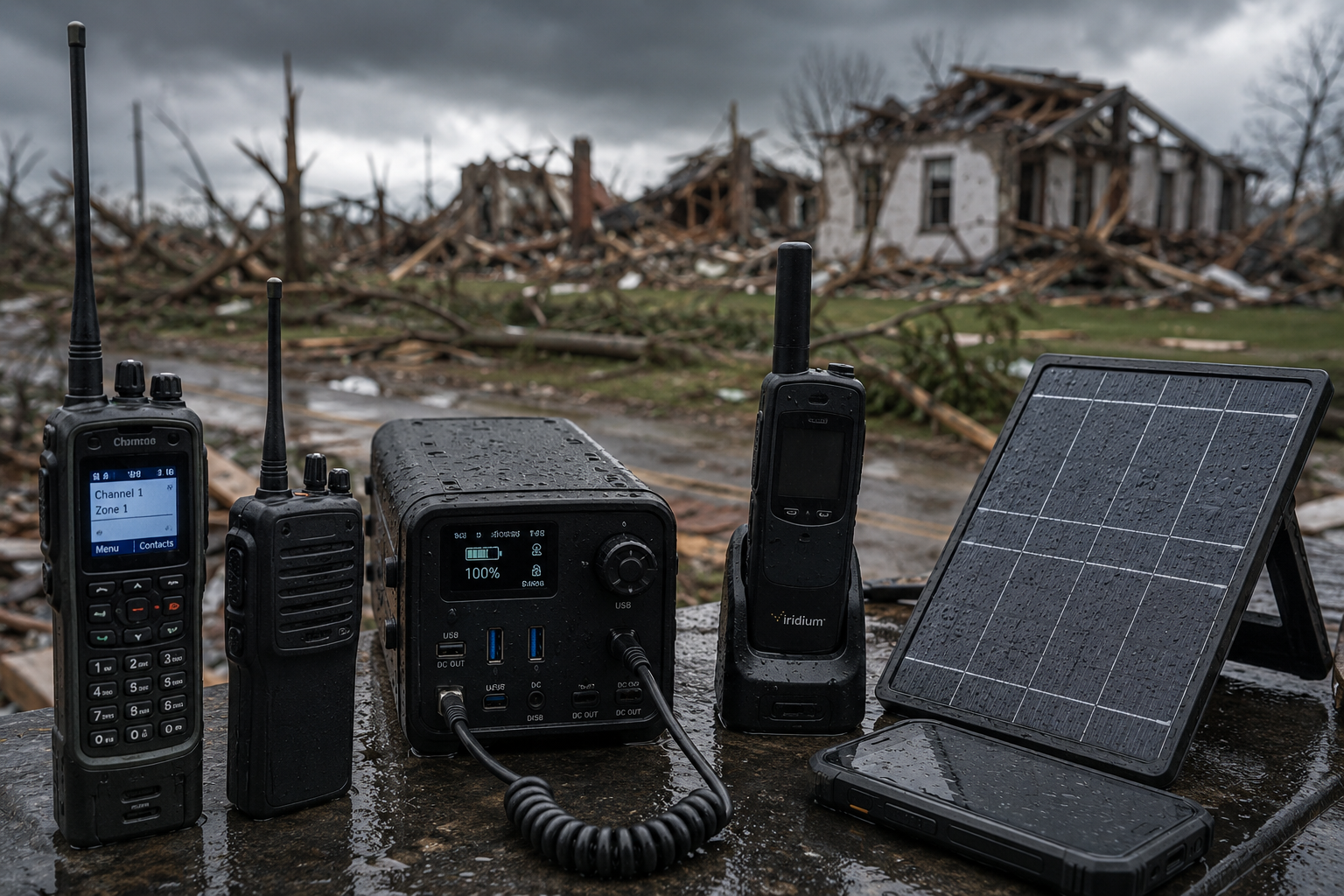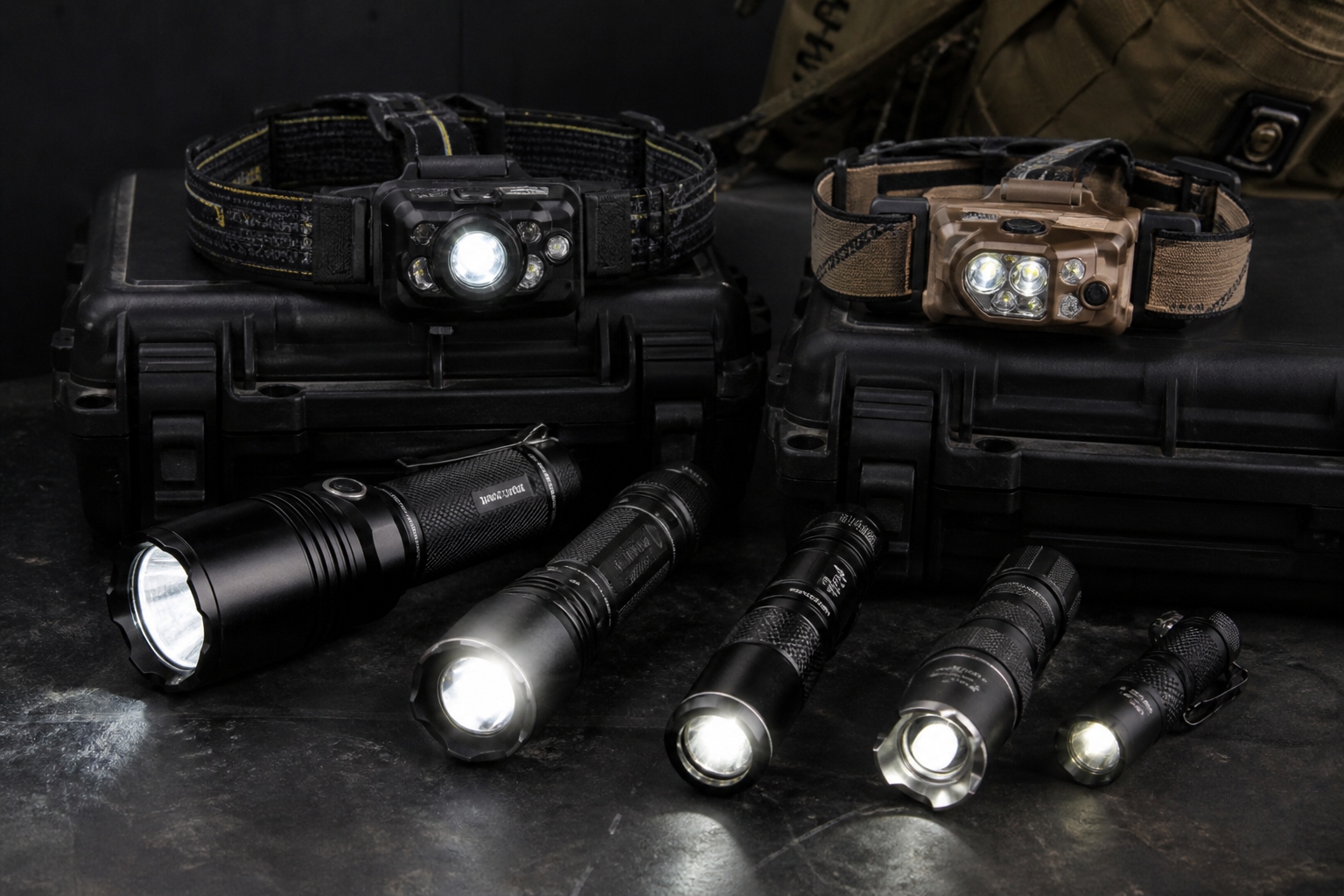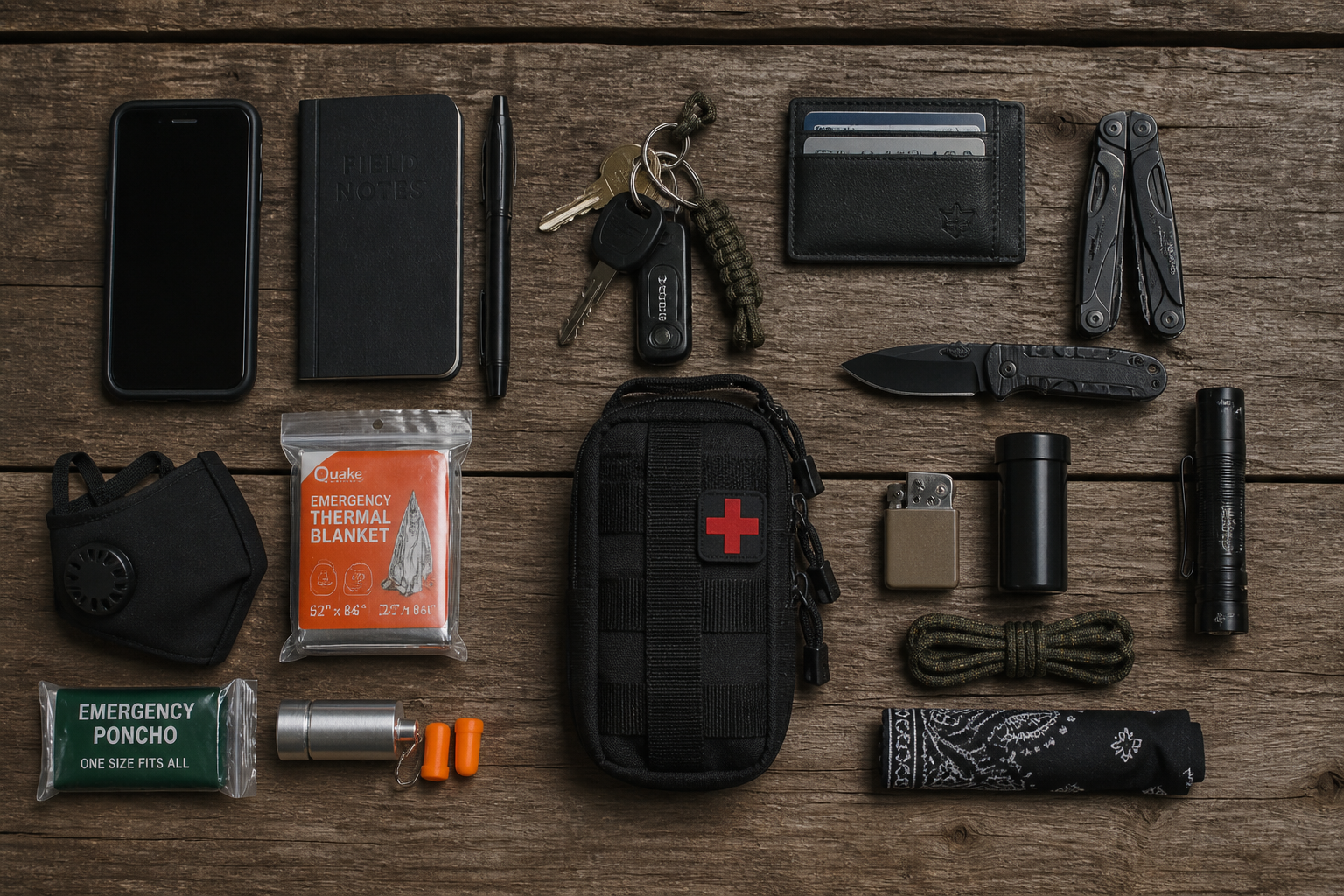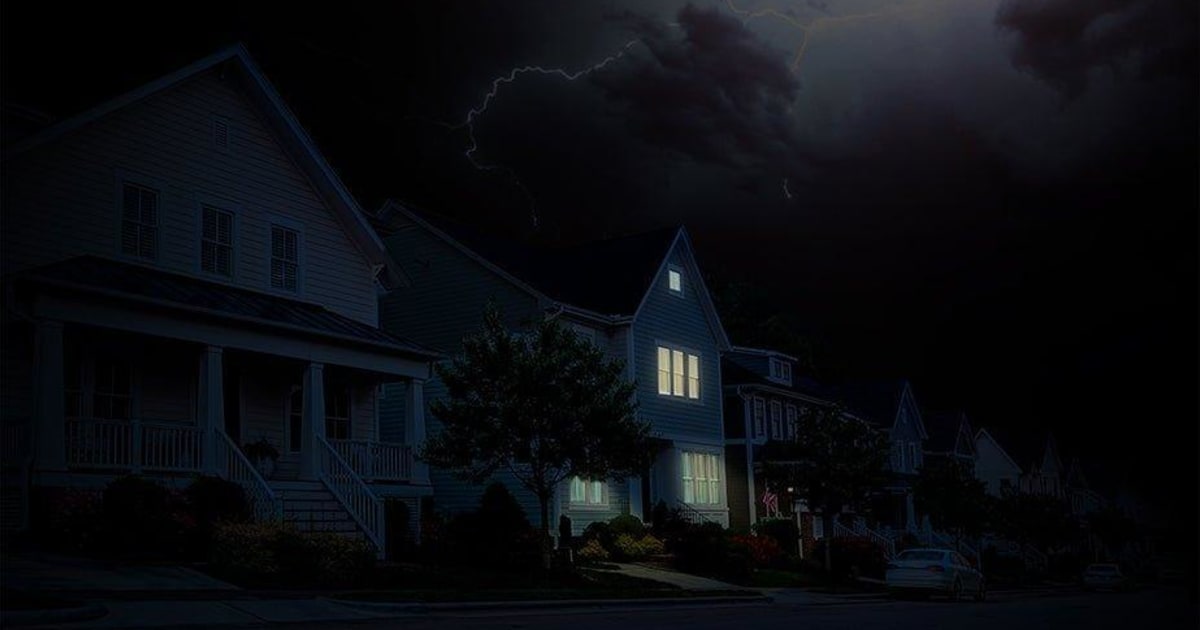
The first thing a power outage takes from you is light — and everything that depends on it.
Navigation through your own home becomes hazardous. Cooking becomes dangerous. Caring for children or elderly family members in complete darkness creates real injury risk. Security systems go dark. And the psychological weight of extended darkness during an already stressful emergency compounds every other challenge your household faces.
Lighting is the most immediately felt consequence of a power outage — and the easiest to solve with the right gear stored in the right place before an emergency strikes. A layered lighting system covering area illumination, task lighting, personal mobility, and outdoor signaling transforms a disorienting blackout into a manageable situation within seconds of the power going out.
This guide covers the best emergency lanterns and lighting solutions available, how to build a complete lighting system for your household, and exactly what to look for before you buy.
Already building your full preparedness system? See our guides on Power Outage Preparedness for Apartments, What Happens After Day 3 of a Power Outage
Why a Single Flashlight Is Not Enough
The most common emergency lighting mistake is treating a single flashlight as a complete lighting solution. A flashlight is a point-source tool — it illuminates what you aim it at and nothing else. Holding a flashlight while trying to cook, care for a child, administer medication, or read an emergency manual is frustrating at best and dangerous at worst.
A complete emergency lighting system uses multiple light types that serve different functions simultaneously.
Area lighting covers an entire room, allowing normal activity without holding anything. Lanterns, string lights, and large LED panels serve this function.
Task lighting provides focused illumination for specific activities — reading, cooking, first aid, mechanical work. Headlamps and focused flashlights serve this function.
Personal mobility lighting allows hands-free movement through dark spaces. Headlamps are the definitive solution here.
Signaling and marker lighting makes your location visible to emergency responders or other household members in darkness. LED flares and glow sticks serve this function.
Passive lighting requires no power source at all — glow-in-the-dark markers, reflective tape, and chemlight sticks that activate on bending. These provide reliable baseline illumination as a final backup when all powered options are exhausted.
Building one of each type creates a lighting system that handles every scenario a power outage presents — from the first moment of darkness through days or weeks of extended outage.
What to Look for Before You Buy
Lumens vs. runtime tradeoff — Higher lumen output means brighter light but shorter battery life. Choose lanterns with adjustable brightness settings to extend runtime significantly during non-critical periods.
Power source flexibility — The best emergency lights offer multiple power options — rechargeable via USB, standard AA or AAA batteries, and ideally solar charging. Rechargeable-only lights leave you dark when your power station runs out. The ideal solution uses both.
Durability and water resistance — Emergency lighting gets used in emergency conditions. An IPX4 water resistance rating or higher ensures your lights survive rain, flooding, and post-storm cleanup.
Run time at practical brightness — Manufacturers advertise maximum runtime at minimum brightness. Evaluate runtime at a practical mid-range level — typically 100 to 200 lumens for area lighting.
Ease of operation — During a power outage you may need to activate lights quickly in darkness while managing children or elderly family members. Simple, intuitive controls matter more than feature-rich interfaces in genuine emergency use.
Top Emergency Lanterns and Lighting Solutions
1. Goal Zero Lighthouse 600 — Best Overall Emergency Lantern

Best for: Primary area lighting, family common spaces, extended outages
The Goal Zero Lighthouse 600 sets the benchmark for emergency area lighting. Its 600-lumen maximum output illuminates an entire room at full brightness and dims to extend runtime across multiple days of use. The built-in hand crank generates emergency power without any external source — critical when rechargeable options are exhausted. USB output charges phones and devices directly from the lantern.
Key features:
- 600 lumens maximum — genuine room-filling brightness
- Adjustable dimming — extend runtime across multiple days
- Built-in hand crank — self-powered emergency backup
- USB phone charging output
- Rechargeable via USB-C and compatible with Goal Zero solar panels
- 360-degree diffused light — no harsh shadows
👉 Check Price on Amazon — Goal Zero Lighthouse 600 Lantern
2. Black Diamond Spot Rechargeable Headlamp — Best Hands-Free Task Light
Best for: Cooking, first aid, navigation, any task requiring both hands free
A headlamp is the single most practical emergency lighting tool available — and the most underestimated. The Black Diamond Spot Rechargeable delivers 400 lumens of adjustable output in a comfortable, lightweight head-mount that keeps both hands completely free. Waterproof construction handles rain and post-flood cleanup. USB-C rechargeable with a standard AAA battery backup ensures power availability through any scenario.
Key features:
- 400 lumens maximum — bright enough for outdoor navigation
- Dimming and red night-vision mode — preserves dark adaptation
- IPX8 waterproof — submersible to 1 meter
- USB-C rechargeable plus AAA battery backup
- Comfortable adjustable headband — wearable for hours
- Proximity and distance beam modes
👉 Check Price on Amazon — Black Diamond Spot Rechargeable Headlamp
3. Anker Rechargeable Bolder LC90 Flashlight — Best Emergency Flashlight
Best for: Outdoor use, signaling, directional task lighting, security checks
A high-output flashlight handles the directed illumination tasks that a lantern cannot — checking your roof after a storm, signaling to emergency responders, lighting a path through debris, and security checks around your property perimeter. The Anker LC90 delivers 900 lumens with five modes including a strobe for emergency signaling.
Key features:
- 900 lumens maximum — powerful directed beam
- Five modes including strobe and SOS signaling
- IPX5 water resistant
- USB rechargeable — no proprietary charger required
- Zoomable beam — adjusts from flood to spot
- Runtime up to 6 hours on medium brightness
👉 Check Price on Amazon — Anker Bolder LC90 Rechargeable Flashlight
4. Mpowerd Luci Outdoor Pro — Best Solar Emergency Lantern
Best for: Extended outages, solar recharging, outdoor use, ultra-compact storage
The Mpowerd Luci Outdoor Pro is an inflatable solar-powered LED lantern that collapses completely flat when deflated — fitting in a jacket pocket or the front pouch of a bug-out bag. Solar charging from direct sunlight makes it indefinitely self-sufficient during daylight hours. Waterproof construction and a hanging loop cover every outdoor and indoor emergency use case.
Key features:
- Solar charging — indefinitely self-sufficient in daylight
- Inflatable design — collapses to 1 inch flat for storage
- Waterproof — floats in water
- 150 lumens — adequate for tent or small room area lighting
- Multiple modes including dimming and strobe
- USB charging backup for cloudy conditions
👉 Check Price on Amazon — Mpowerd Luci Outdoor Pro Solar Lantern
5. Energizer LED Folding Lantern — Best Budget Emergency Lantern
Best for: Budget-conscious households, secondary room lighting, children's emergency kits
The Energizer LED Folding Lantern delivers reliable area lighting at the lowest cost of any quality option in this guide. Its folding design collapses flat for compact storage and deploys in seconds. Running on standard D batteries available at any grocery or hardware store, it eliminates rechargeable battery dependency entirely — an important consideration for households without backup power stations.
Key features:
- 800 lumens maximum — strong area lighting output
- Folds flat for compact storage
- Runs on standard D batteries — widely available
- Up to 75 hours runtime on low setting
- Water resistant construction
- Carry handle and hanging loop
👉 Check Price on Amazon — Energizer LED Folding Lantern
6. Cyalume ChemLight Safety Glow Sticks — Best No-Power Backup Lighting
Best for: Final backup lighting, room and stairwell marking, signaling, children's safety
Chemical glow sticks require zero power, zero charging, and zero batteries. Activated by bending and snapping the internal chemical capsule, they provide 8 to 12 hours of visible light with no fire risk and no power dependency. Hang them in doorways, stairwells, and bathrooms to create passive navigation lighting that functions even when all powered options are exhausted.
Key features:
- Zero power required — purely chemical reaction
- 8 to 12 hour runtime per stick
- No fire or explosion risk — safe indoors
- Waterproof — function in wet conditions
- Highly visible — detectable at significant distance
- 10-year shelf life when stored sealed
👉 Check Price on Amazon — Cyalume ChemLight 8-Hour Safety Glow Sticks
Emergency Lighting Comparison Table
| Product | Type | Lumens | Power Source | Runtime | Best For | |---|---|---|---|---|---| | Goal Zero Lighthouse 600 | Lantern | 600 | USB-C / Crank / Solar | 150+ hours low | Primary area lighting | | Black Diamond Spot | Headlamp | 400 | USB-C / AAA | 200 hours low | Hands-free task lighting | | Anker LC90 | Flashlight | 900 | USB | 6 hours medium | Directed / outdoor lighting | | Mpowerd Luci Pro | Lantern | 150 | Solar / USB | Indefinite solar | Compact / outdoor | | Energizer Folding | Lantern | 800 | D batteries | 75 hours low | Budget / no recharging | | Cyalume ChemLights | Glow stick | N/A | Chemical | 8-12 hours | No-power backup |
Building Your Complete Home Lighting System
Layer 1 — Primary Area Lighting: Goal Zero Lighthouse 600 in your main living space for the first 24 to 48 hours.
Layer 2 — Personal Task Lighting: One Black Diamond Spot headlamp per adult. Store in each person's nightstand — accessible immediately in the middle of the night.
Layer 3 — Secondary Room Lighting: Energizer Folding Lantern in bedroom and bathroom. Battery-powered backup independent of your power station.
Layer 4 — Outdoor and Signaling: Anker LC90 for exterior security checks, signaling, and high-output tasks.
Layer 5 — No-Power Backup: Cyalume glow sticks in stairwells, hallways, and bathrooms provide passive navigation when all powered options are exhausted.
Storage rule: Every lighting item belongs in a designated location that every household member knows. A headlamp you cannot find in the dark provides zero value.
Final Thoughts
Emergency lighting is the preparedness category with the lowest barrier to entry and the highest immediate impact. A complete household lighting system costs less than a single tank of gas and takes minutes to set up — yet it transforms the experience of a power outage from disorienting and dangerous to manageable and calm.
Every other preparedness activity — cooking, first aid, water management, family communication — is easier, safer, and less stressful with adequate light.
Build your lighting system before the next outage finds your household fumbling through darkness looking for a flashlight with dead batteries.
Explore our complete Emergency Kits & Bundles and Shop All Survival Gear to build your full preparedness system today.
⚠️ Don't let darkness catch your household unprepared. Build your emergency lighting system today — before the lights go out.