Your phone works until it does not. Cell towers go down within hours of a major disaster. Networks get overwhelmed in minutes. Batteries die. And in a grid down scenario, the digital infrastructure that every modern communication device depends on simply stops working.
That is the moment your off-grid communication devices either save your family or leave you completely in the dark.
Emergency communication devices are not just for hardcore preppers running bug out drills in the woods. They are for any family that wants the ability to reach each other, receive official emergency broadcasts, signal for rescue, and coordinate a plan when the communication systems everyone else depends on have collapsed.
This guide breaks down the best off-grid communication devices available right now — the best emergency radios, satellite communicators, GMRS radios, and backup communication tools for every emergency kit and bug out bag — so your family is never out of reach when it matters most.
Best Off-Grid Communication Devices at a Glance
- | Category | Recommended Device | Best For | |---|---|---| | Best Emergency Radio | Midland ER310 Emergency Radio | NOAA alerts and backup power | | Best Satellite Communicator | Garmin inReach Mini 2 | Global SOS and off-grid texting | | Best GMRS Radio | Midland GXT1000VP4 | Family emergency communication | | Best HAM Radio | Baofeng UV-5R | Long-range survival communication | | Best Walkie Talkies | Motorola T600 | Short-range bug out communication |
Why Cell Phones Fail in Emergencies
Understanding why your phone fails in a disaster is the first step to building a communication plan that actually works.
Cell networks are engineered for normal traffic loads — not for the simultaneous demand spike that follows a major earthquake, hurricane, or grid down event. When a disaster strikes, every person in the affected area reaches for their phone at the same moment. Towers get overwhelmed and calls fail to connect. Infrastructure damage takes towers offline entirely. And without grid power to run charging stations and cell equipment, even towers that survive the event eventually go dark.
The result is predictable. The people who survive communication blackouts are the ones who planned around the assumption that their phone would not work — and built their emergency communication kit accordingly.
Best Emergency Radios for Off-Grid Communication
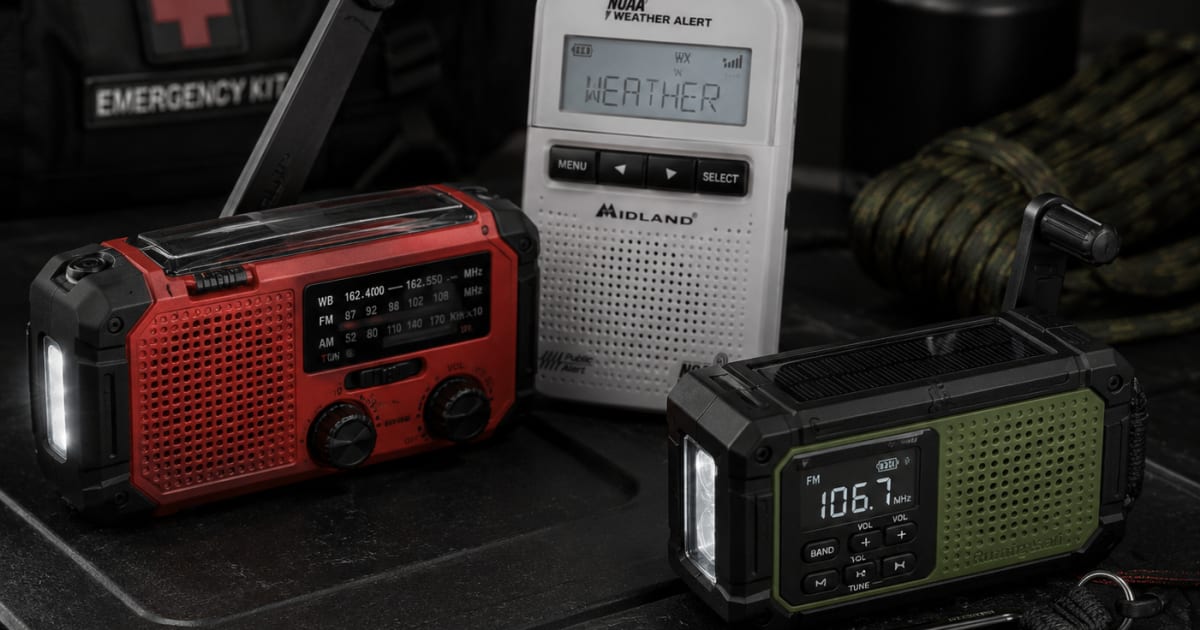
A quality emergency radio is the foundation of any off-grid communication setup. It gives you one-way access to NOAA weather alerts, official emergency broadcasts, and real time situation updates completely independent of cell service, internet, or grid power.
The best emergency radios for survival combine multiple power sources — hand crank, solar panel, and rechargeable battery — so you are never dependent on a single charging method. A built in USB output lets the radio double as a backup phone charger, which matters when your phone battery is your last connection to digital information.
Some of the most reliable emergency radios include the Midland ER310, FosPower Emergency Solar Hand Crank Radio, and RunningSnail Solar Crank NOAA Radio. These models consistently rank among the best hand crank emergency radios for battery life, NOAA alert reliability, durability, and backup charging capability during prolonged power outages.
Look for a unit with AM, FM, and NOAA weather band coverage, a loud built in alarm, and an SOS flashlight function. The best solar powered emergency radios and hand crank emergency radios in this category are compact enough for a bug out bag while delivering enough volume to hear clearly in a noisy shelter or outdoor environment.
Check Price on Amazon – Midland ER310 Emergency Radio
For a full breakdown of the top rated NOAA weather radios ranked by alert reliability and real world performance, the guide on best hand crank emergency radio covers every option worth considering.
Best Satellite Communicators for Emergencies
When you need two-way communication completely independent of cell infrastructure, a satellite communicator is the most reliable tool available. Unlike emergency radios that only receive broadcasts, satellite messengers let you send and receive text messages, share GPS coordinates, and trigger an SOS signal that reaches rescue services anywhere on Earth — including places with zero cell coverage.
The best satellite communicators for emergencies use global satellite networks that operate entirely independently of terrestrial infrastructure. Even in the most remote locations — deep wilderness, offshore, or in a region where all ground based communication has been destroyed — a satellite messenger maintains a direct link to emergency services and your designated contacts.
Key features to look for include two-way messaging capability, real time GPS tracking that lets family members follow your location, a dedicated SOS button with 24/7 monitoring, and a battery life of at least 100 hours in tracking mode. The best units are rugged, waterproof, and compact enough to clip to a bug out bag strap.
Top rated satellite communicators include the Garmin inReach Mini 2, ZOLEO Satellite Communicator, and SPOT X. These devices are trusted by hikers, overlanders, emergency responders, and preparedness focused families because they continue working far beyond normal cell coverage areas.
Check Price on Amazon – Garmin inReach Mini 2
GMRS vs HAM Radios for Survival
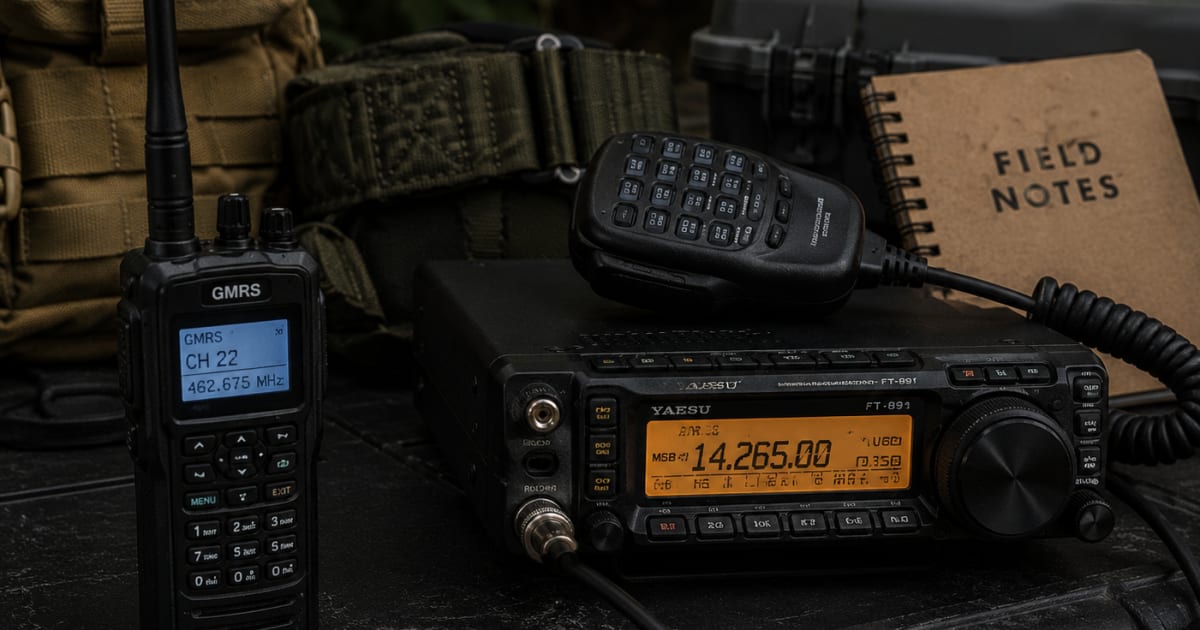
Two way radios are the backbone of local emergency communication — letting your household coordinate across distances that walkie talkies cannot cover. But not all two way radios are equal, and choosing between GMRS and HAM radio depends on your specific needs.
GMRS Radios operate on General Mobile Radio Service frequencies and require a single FCC license that covers your entire family. They deliver ranges of up to 25 miles in open terrain and are significantly more powerful than standard FRS walkie talkies. GMRS radios are the practical choice for most families — easier to operate, no technical exam required, and powerful enough to coordinate across neighborhoods and evacuation routes.
HAM Radios offer the greatest range and flexibility of any handheld communication device available to civilians. A licensed HAM operator can reach other operators across cities, states, and even internationally using repeater networks. In a major grid down scenario, HAM radio operators often serve as the communication backbone for entire communities when all other systems have failed. The entry level Technician license requires passing a 35 question exam — a worthwhile investment for serious preppers and emergency preparedness households.
Popular GMRS radios for emergency preparedness include the Midland GXT1000VP4 and Radioddity GM-30, while beginner friendly HAM radios like the Baofeng UV-5R and Yaesu FT-65R remain some of the most widely used handheld communication tools in the preparedness community.
Check Price on Amazon – Midland GXT1000VP4 GMRS Radio
Best Walkie Talkies for Emergencies and Bug Out Bags
For shorter range local communication — keeping your group connected during an evacuation, coordinating between family members in different parts of a shelter, or maintaining contact during a bug out — a quality set of walkie talkies is one of the most practical and affordable emergency communication devices available.
The best walkie talkies for emergencies operate on FRS and GMRS frequencies, deliver a real world range of 2 to 5 miles in typical terrain, and run on rechargeable batteries with USB charging so you are not burning through disposable cells. Look for units with a weather alert channel so your walkie talkies can also receive NOAA broadcasts — turning them into a dual purpose communication and alert device.
Waterproofing matters more than most buyers consider. Emergency situations frequently involve rain, flooding, and wet conditions. A walkie talkie rated to at least IPX4 keeps functioning when conditions deteriorate.
Reliable emergency walkie talkie options include the Motorola T600, Cobra ACXT645, and Midland X-TALKER series. These radios are popular for bug out bags and emergency kits because they combine weather resistance, rechargeable battery options, and dependable short range communication during outages and evacuations.
Check Price on Amazon – Motorola T600 Waterproof Walkie Talkies
How to Communicate Without Cell Service
After testing emergency radios and handheld communication devices during severe weather outages, camping trips, and extended power failures, one thing becomes obvious quickly: battery redundancy matters more than advertised range. Devices that support solar charging, hand crank power, and rechargeable battery packs consistently perform best during prolonged emergencies.
Building a complete off-grid communication plan means layering multiple devices so that no single point of failure leaves your household without options. Here is how to think about it:
Layer 1 — Receive information: A hand crank NOAA weather radio gives you one-way access to official emergency broadcasts. This is your minimum baseline — every household should have one regardless of what other devices they own.
Layer 2 — Local two-way communication: GMRS radios or walkie talkies let your group coordinate locally without cell service. Range of 2 to 25 miles depending on the device covers most neighborhood and evacuation corridor communication needs.
Layer 3 — Long range two-way communication: A satellite communicator or HAM radio gives you the ability to reach beyond local range — contacting family members in other cities, triggering rescue services, or connecting with emergency networks when local infrastructure is completely down.
Layer 4 — Non-electronic signaling: An emergency whistle, signal mirror, and personal locator beacon round out your communication kit for scenarios where your electronic devices have failed or run out of power. A quality emergency whistle carries over a mile in open terrain and requires zero battery. A signal mirror can be seen from rescue aircraft at distances up to 10 miles on a clear day.
For a complete breakdown of everything your bug out bag needs beyond communication gear, the bug out bag essentials guide covers the full gear list for 72 hour emergency readiness.
What to Include in a Complete Emergency Communication Kit
| Device Type | Best Use | Typical Range | Power Source | |---|---|---|---| | NOAA Emergency Radio | Receiving emergency alerts | Broadcast range | Solar, hand crank, battery | | Walkie Talkies | Short-range group communication | 2–5 miles | Rechargeable battery | | GMRS Radios | Family emergency coordination | 5–25 miles | Rechargeable battery | | HAM Radios | Long-distance communication | Regional to global | Rechargeable battery | | Satellite Communicator | Global SOS and messaging | Worldwide | Rechargeable battery |
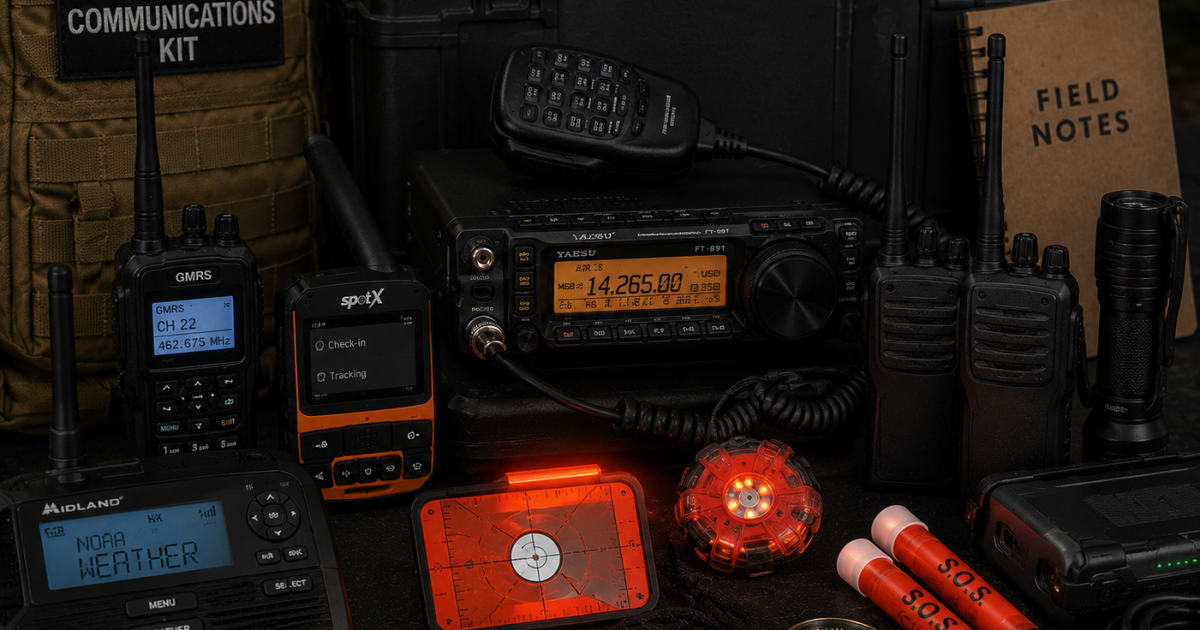
A complete emergency communication kit for a prepared household covers every layer of the communication pyramid — from passive information receiving to active two-way contact to emergency signaling. Here is the complete list:
Receive: Hand crank solar NOAA weather radio with USB charging output
Local two-way: GMRS radio set or rechargeable walkie talkies rated for outdoor use
Long range: Satellite communicator with two-way messaging and SOS capability
Backup power: Portable power station to keep all devices charged during extended outages
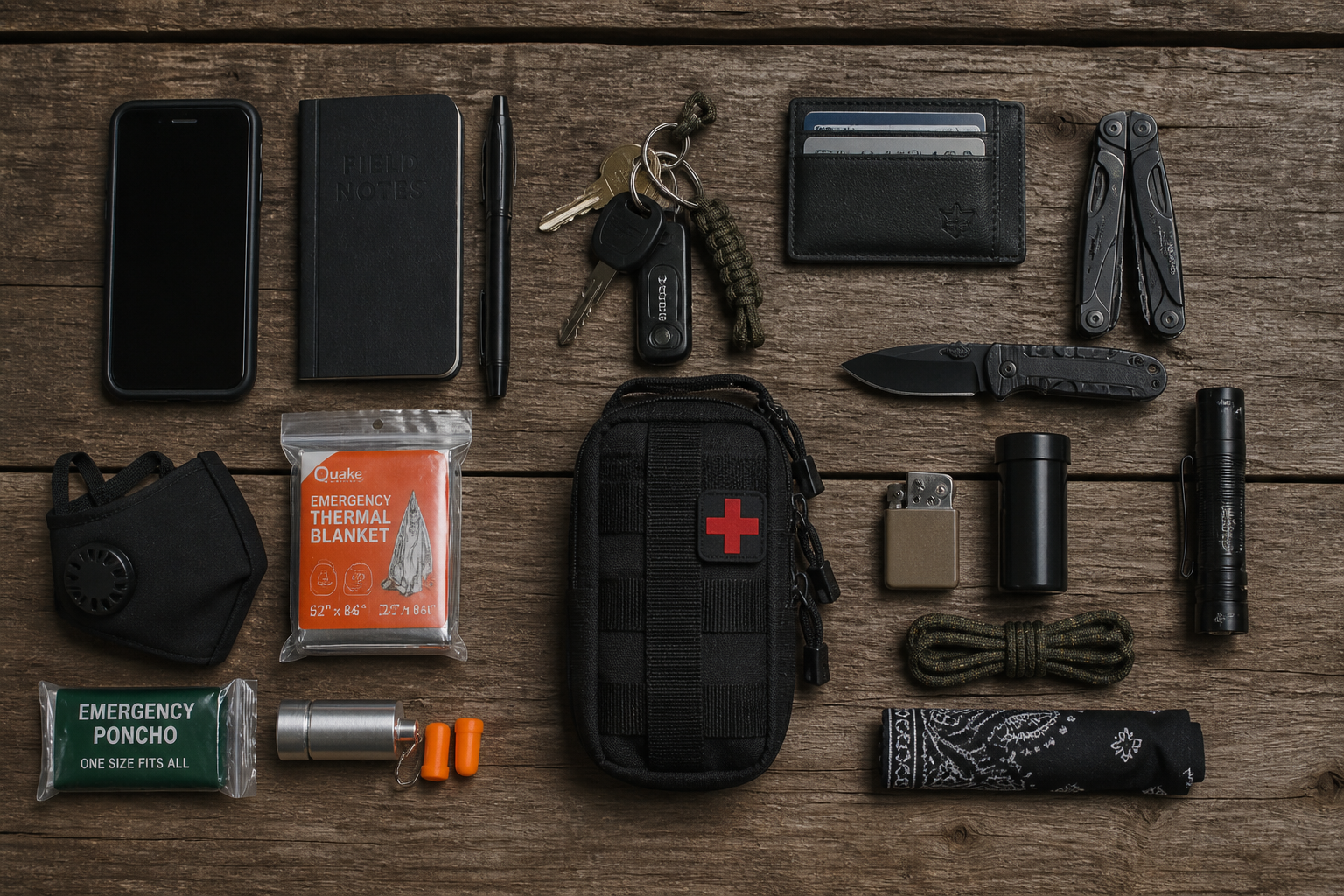
Non-electronic backup: Emergency whistle, signal mirror, and personal locator beacon
Documentation: Written contact list, out of state family contact, and designated meeting points stored in a waterproof pouch
That last item is one of the most overlooked pieces of emergency communication planning. When every electronic device is dead and the cloud is unreachable, a written contact list in a waterproof bag is the most reliable communication tool you own.
For a complete approach to building your overall emergency preparedness plan including communication, shelter, and supplies, the guide on how to prepare your home for a power outage in 7 days gives you a room by room framework that covers every layer of readiness.
Build Your Off-Grid Communication Plan Before You Need It
The families that stay connected during disasters are not the ones who figured it out after the grid went down. They are the ones who built their off-grid communication setup before any emergency happened — when devices were available, batteries were charged, and there was time to learn how to use everything.
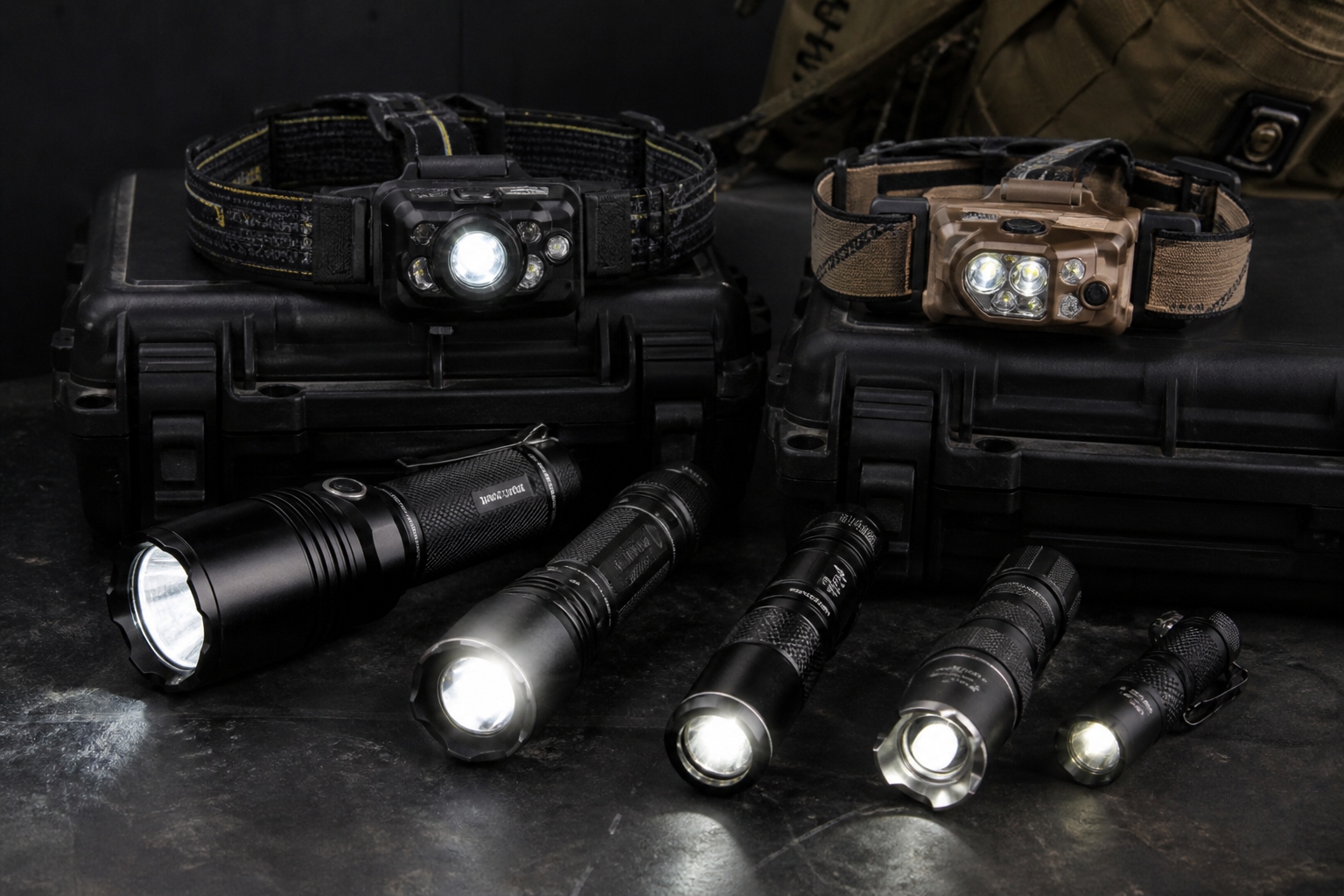
Every device on this list ships to your door, works right out of the box, and integrates into any emergency kit or bug out bag without adding significant weight or bulk. Start with a hand crank NOAA radio and a set of rechargeable walkie talkies this week. Pairing your communication setup with backup lighting, portable power stations, water filtration, and a complete bug out bag dramatically increases your overall emergency readiness during long term outages and disasters. Add a satellite communicator next month. Within 60 days you can have a layered off-grid communication setup that keeps your family connected through any scenario the grid throws at you.
Frequently Asked Questions
What is the best off-grid communication device?
For most households, a layered setup works best. A hand crank NOAA emergency radio provides critical alerts, GMRS radios handle local communication, and a satellite communicator offers long range emergency messaging when cell networks fail.
Do walkie talkies work during power outages?
Yes. Walkie talkies and GMRS radios operate independently of cell towers and internet infrastructure, making them reliable during blackouts and disasters as long as batteries remain charged.
Are GMRS radios better than HAM radios?
GMRS radios are easier for beginners and families because they require no technical exam. HAM radios provide significantly greater range and flexibility, making them better suited for advanced emergency preparedness and long distance communication.
Can satellite communicators work without cell service?
Yes. Satellite communicators connect directly to satellite networks instead of cellular towers, allowing text messaging, GPS tracking, and SOS communication even in remote off-grid locations.
What emergency radio should every home have?
Every home should have a NOAA weather radio with hand crank, solar charging, and battery backup capability to receive emergency alerts during severe weather and power outages.
Because when the towers go down, the only people who can reach each other are the ones who planned ahead.