Emergencies can strike suddenly, and having a well-stocked bug-out bag — also called a "go bag" or 72-hour kit — can mean the difference between safety and danger. In this guide, we explain why every household needs a bug-out bag and walk through the essential items to pack, so you're prepared for any disaster.
Before diving in, check out our guides on Best Bug Out Bag Essentials Checklist (2026) and How to Start Prepping for Beginners in 2026 for more on prepping and survival.

Why You Need a Bug-Out Bag
Natural disasters, severe storms, and unexpected emergencies can force you to evacuate quickly. A bug-out bag is a portable emergency kit that contains everything you need to survive for at least 72 hours when on the move.
FEMA and other emergency agencies recommend having at least a three-day supply of water and food, a first aid kit, and tools in case utilities are cut off. By planning ahead and packing a bug-out bag, you'll be ready to evacuate quickly and stay safe — whether you face a hurricane, wildfire, or any other emergency.
Many people focus on household supplies, but your bug-out bag should include portable essentials. Think of it as your survival toolbox on the go. In addition to what's in your home emergency kit, your bug-out bag needs items that are easy to carry and use outdoors. This way, if you have to flee your home, you can grab your bag and head out without scrambling.
For a deeper look at what extended emergencies really look like, read: What Happens After Day 3 of a Power Outage — And How to Stay Ahead of It
Essential Items to Pack in Your 72-Hour Kit
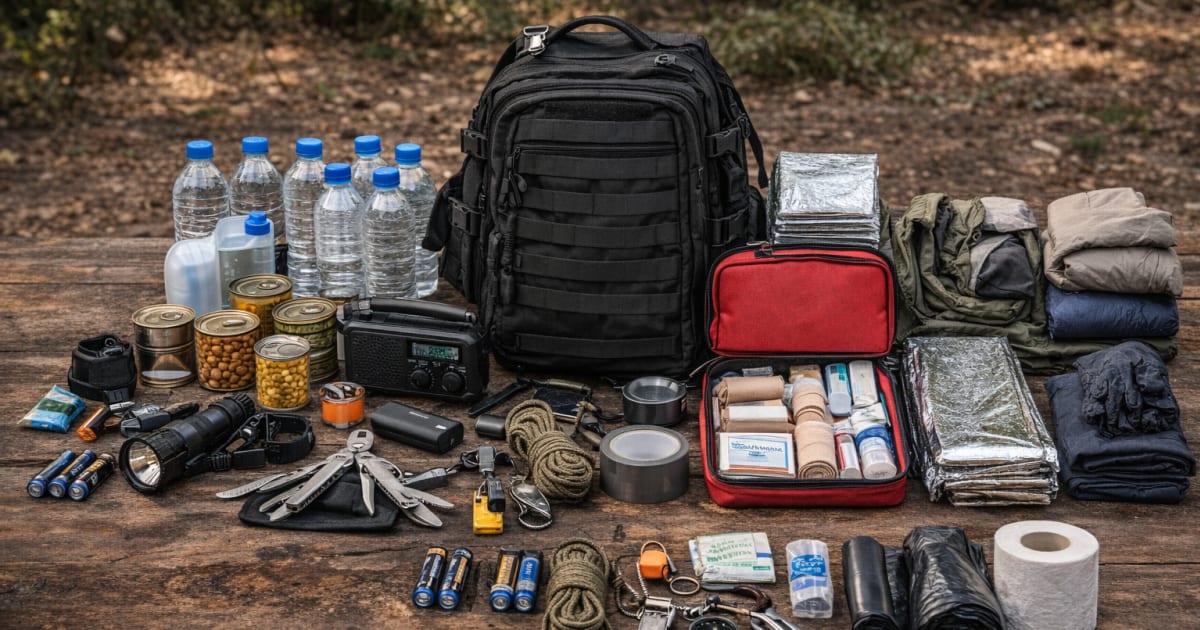
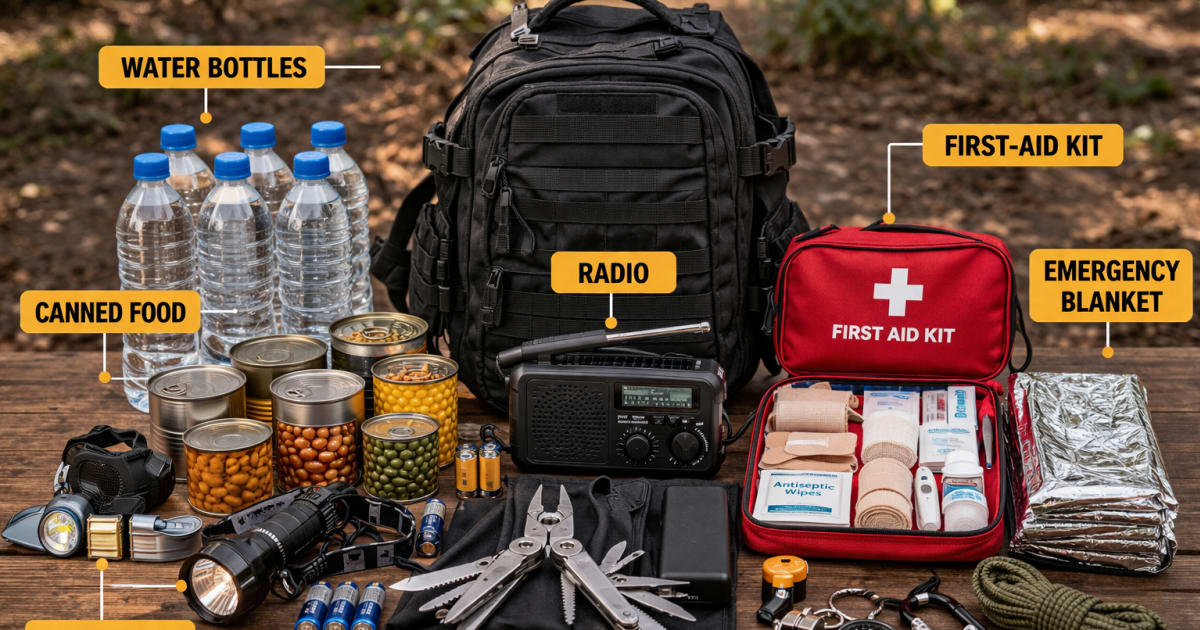
When assembling your bug-out bag, include at least these key categories of supplies. Use durable, waterproof backpacks or duffel bags that are easy to carry on foot or in a vehicle.
Water & Hydration
Pack at least 1 gallon of water per person per day for drinking and sanitation. For portability, include water bottles or collapsible water bladders. Also carry a reliable water purification tool such as a portable filter or purification tablets.
The LifeStraw® Personal Water Filter LifeStraw Personal Water Filter is a lightweight, affordable filter that removes harmful bacteria from natural water sources.
Tip: Store extra bottled water in your kit and replace it every 6–12 months.
For a full breakdown of water filtration options, read: Best Water Filtration Systems for Survival in 2026
Food & Nutrition
Include a three-day supply of non-perishable food that's easy to prepare. Good options are energy bars, nuts, dried fruits, canned goods, and freeze-dried meals. Ready-to-eat MREs or vacuum-sealed camping meals work well.
Mountain House freeze-dried meals Mountain House Emergency Food Supply can provide calories and nutrition without cooking. Also pack a manual can opener and utensils. Rotate your food supply every year to keep it fresh.
For the best emergency food options tested and ranked, read: Best Emergency Food Kits for Survival (2026 Guide)
Shelter & Warmth
You need protection from the elements. Pack a lightweight tent or tarp, plus a warm sleeping bag or emergency space blanket. The SOL Emergency Bivvy or space blankets SOL Emergency Blanket are compact and can retain body heat in freezing weather.
Include extra clothing: a change of clothes, sturdy socks, and a waterproof jacket or poncho. Don't forget a warm hat and gloves if it's cold season. Proper clothing layers can save your life if you're exposed to wind or rain.
First Aid & Medications
Your kit should have a complete first-aid kit with bandages, antiseptic wipes, pain relievers, and any prescription medications you need. The Surviveware Small First Aid Kit Surviveware MyFAK First Aid Kit includes bandages, gauze, a CPR mask, and more.
Also pack any personal medications, plus extras like allergy medicine or an asthma inhaler. Include a small manual with basic first-aid instructions.
Tools & Equipment
These are vital for survival tasks:
Flashlight & Batteries A reliable flashlight or headlamp Black Diamond Headlamp plus spare batteries. Light helps you navigate and signal for help.
Multi-Tool / Knife A quality multi-tool or fixed-blade knife Gerber Bear Grylls Ultimate Knife is invaluable for cutting rope, preparing food, or self-defense.
Fire Starting Waterproof matches, a lighter, and fire starters like magnesium flints to make fire for warmth, light, or cooking.
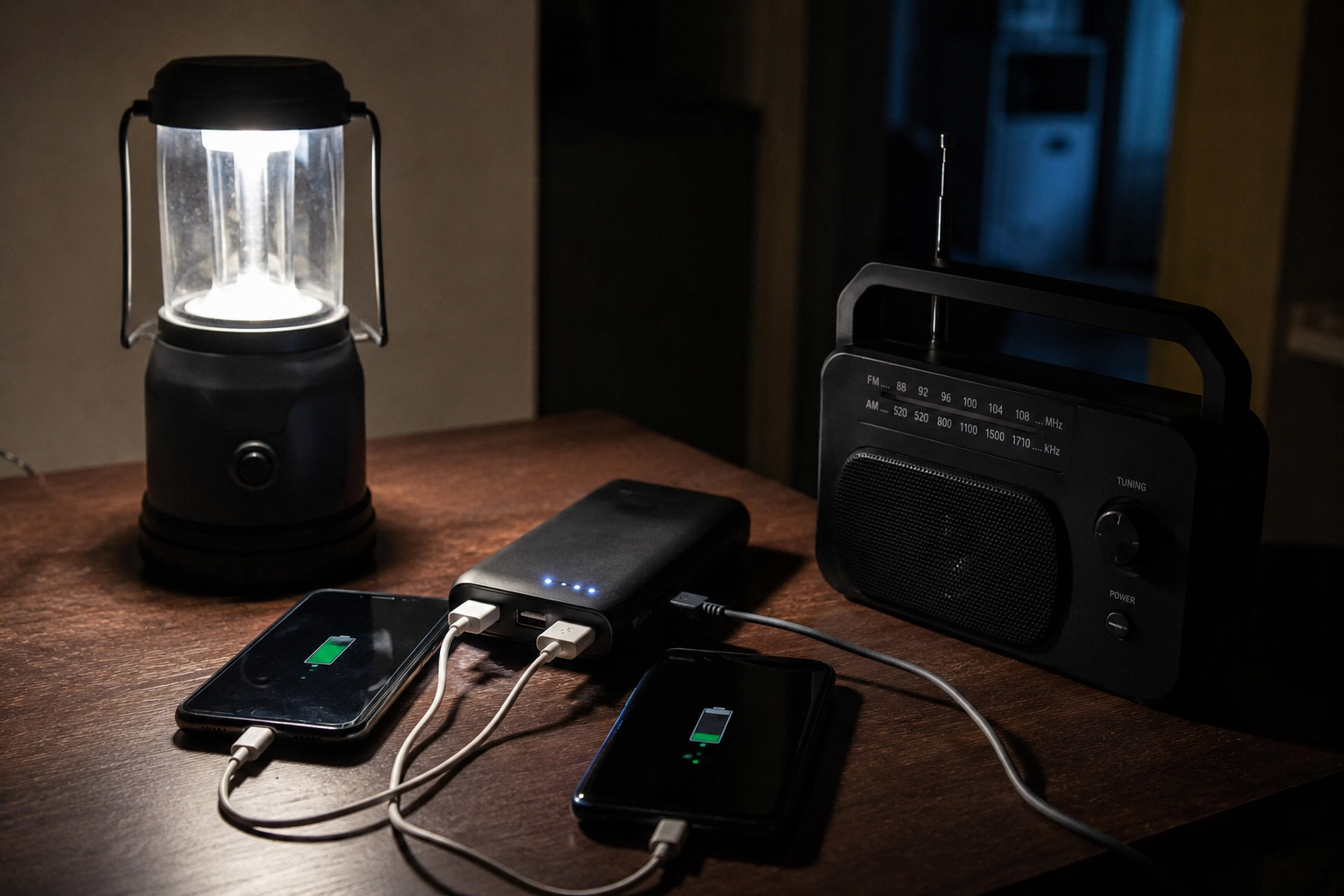
Communication A battery-powered or hand-crank radio Kaito AM/FM Crank Radio to receive weather updates, plus a backup power bank for charging your phone or a solar charger.
Navigation & Tools A compass and local map in a waterproof bag, duct tape, paracord (50–100 ft), and a small whistle to signal rescuers.
Personal Documents & Miscellaneous
Keep copies of important documents in a waterproof bag: ID, insurance papers, cash (small bills), and emergency contacts. Pack personal items like glasses, a phone charger, toiletries (soap, toothbrush), and sanitation supplies (toilet paper, wet wipes, hand sanitizer). A small notebook and pen can help you leave notes or keep track of information.
By packing these essentials, your bug-out bag will cover the most critical survival needs. Use zip-lock bags or waterproof pouches to organize and keep items dry. Check and refresh your bag every 6–12 months — replace expired food and medicine and test electronics.
Tips for Using and Maintaining Your Bug-Out Bag
Know Your Kit
Familiarize yourself with every item in your bag. Practice setting up shelter or using the radio and water filter. In an emergency you can act quickly and confidently only if you've done it before.
Customize for Your Family
If you have kids, pack games, snacks, and diapers as needed. For pets, include food, a leash, and records. Tailor the kit to any special needs such as medications or baby supplies.
Plan Your Escape Routes
Having a bug-out bag is only part of the solution. Develop a clear evacuation plan and discuss it with your family. Designate meeting points and multiple routes out of your neighborhood. Practice drills if possible.
For a complete family preparedness framework, read: Why Every Family Needs an Emergency Plan (And Most Don't Have One)
Stay Informed
In a crisis, reliable information is critical. Keep a battery or crank radio tuned to local news or NOAA weather channels. Follow official sources on emergencies.
The American Red Cross recommends that families "get a kit, make a plan, and be informed" so everyone knows what to do.
By staying proactive and informed, you'll maximize the effectiveness of your bug-out bag and emergency plans. Regularly review and update both your kit and your plans.
Build Your Complete Emergency Kit Today
Your bug-out bag is the foundation — but a complete preparedness plan goes further. Explore our full range of emergency kits, survival gear, and essential supplies at Essential Items Emergency Kits & Bundles.
For a complete emergency preparedness strategy beyond bug out bags, read our full Complete Grid Down Survival Guide (2026), which covers food storage, backup power, water filtration, emergency communication, and long-term blackout survival.
Stay prepared. Stay safe.
— EssentialItems Editorial Team