I thought I had enough.
A few cases of water. Some canned food. Flashlights. Basic gear.
Nothing extreme — just enough to get through a few days if the power went out.
Then I ran a simple test.
No electricity. No running water. No stores.
Within hours, something felt off.
By the end of the first day… I knew I had a problem.

The Test
I wanted this to be realistic.
No shortcuts. No "I'll just run to the store."
Just what I already had.
I used a grid-down simulation to see how long my setup would actually last. If you want to see how a real grid-down scenario unfolds step-by-step:
Try it yourself — use our free Grid Down Simulator
What I Thought I Had
At first, I felt fine.
Water. Food. Light. Basic supplies.
It didn't feel like I was missing anything.
That confidence didn't last long.
💧 Water Was the First Problem
Water didn't run out instantly.
But it went faster than I expected.
I started thinking through everything:
Drinking. Cooking. Washing.
It adds up quickly.
What I had wasn't enough.
And once it's gone… there's no backup unless you planned for it.

🍲 Food Wasn't What I Thought
I had food.
But not the kind that works in a situation like this.
Some needed cooking. Some needed water.
Without power, both become problems.
At first, it doesn't seem like a big deal.
Then your options start shrinking.
🔥 Cooking Changed Everything
This is where it really hit me.
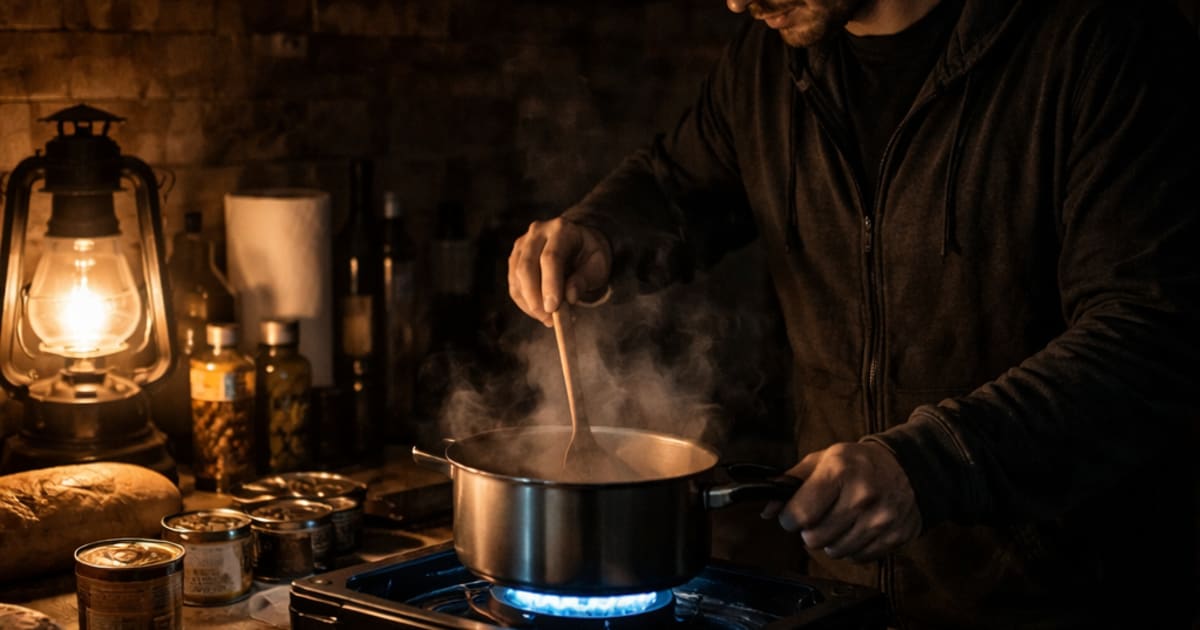
No power means no stove. No microwave. No easy meals.
Even simple food becomes difficult without a way to prepare it.
That's something I didn't fully think through.
🔋 Power Was Gone Fast
This part wasn't surprising — but it still hit hard.
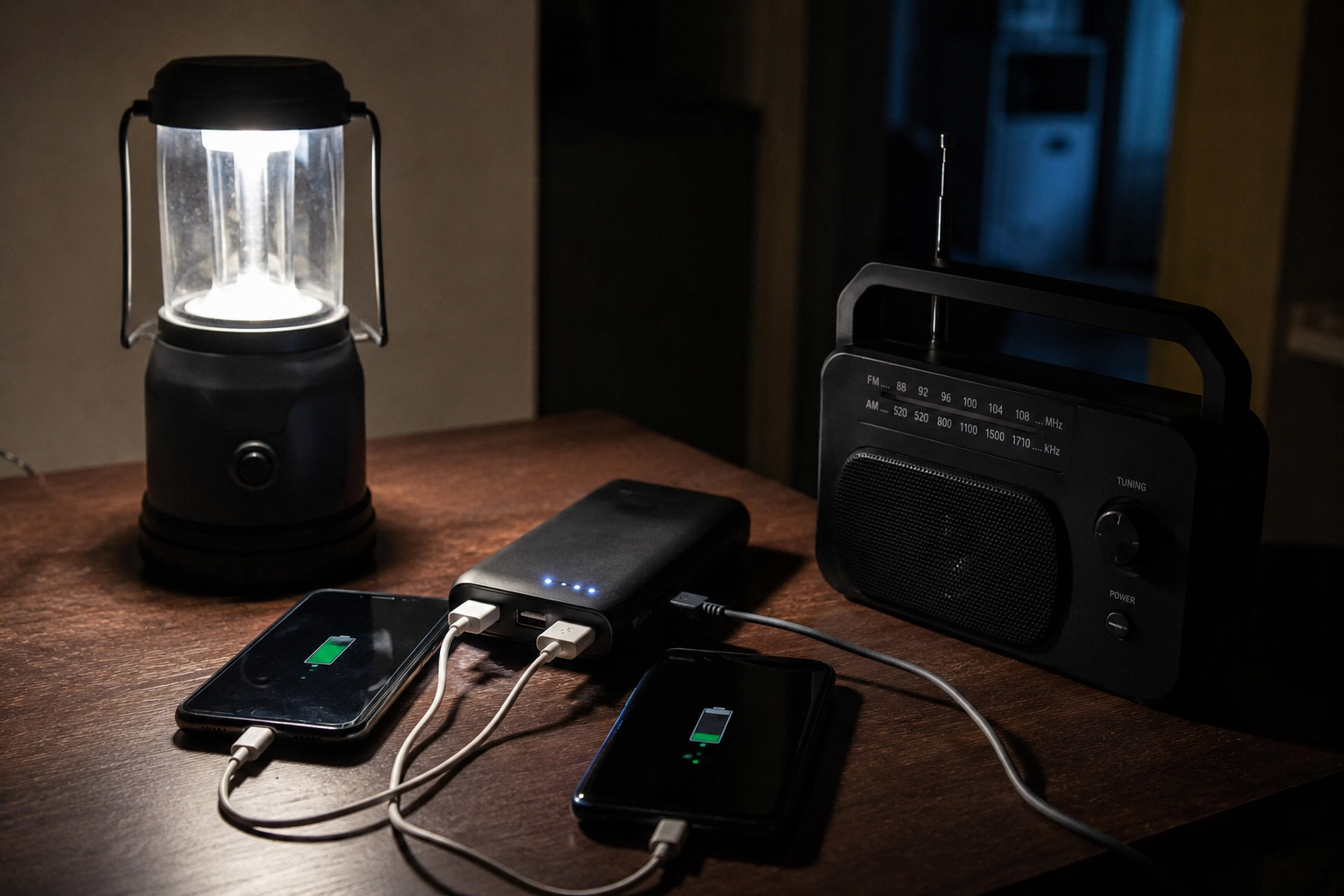
Phones. Lights. Anything rechargeable.
Once your backup runs out… that's it.
No communication. No updates. No information.
⚠️ This Is Where It Clicked
That's when it became clear.
I wasn't prepared.
I just had stuff.
There's a difference.
Try it yourself — use our free Grid Down Simulator
🧠 What Most People Get Wrong
Looking back, the problems weren't complicated.
They were things I just didn't think through:
• Not enough water stored • Food that depends on cooking • No real backup for power • Small gaps that turn into big problems
It's not about having more gear.
It's about having the right setup.
Want to see how long your setup actually lasts? Test it here
🎒 What I Would Change
If I had to fix this, I wouldn't overcomplicate it.
Just a few key things:
• More water stored ahead of time • A simple way to cook • Better power backup • Food that's ready to eat
Small changes — big difference.

Final Thought
If something like this actually happened, there's no time to figure it out.
No second chances. No quick fixes.
You either have what you need… or you don't.
I thought I did.
I didn't.
See where you stand — test your home now
What Happens If the Power Grid Goes Down?
Best Water Filtration Systems for Survival 2026
How to Build a Long-Term Emergency Food Storage Pantry in 2026