Most people assume the power will come back within hours. But in a real grid-down scenario, every hour without electricity makes the situation worse — and recovery becomes less likely.
What starts as an inconvenience quickly turns into a survival situation.
What Happens in a Real Grid Down Scenario
A real grid down scenario doesn't just affect electricity.
It impacts water systems, food access, communication, and daily life much faster than most people expect.
But a true grid-down scenario is something entirely different.
This isn't just about losing electricity. It's about losing the systems that keep modern life functioning. Water stops flowing. Food supply chains break. Communication disappears. Fuel access shuts down. Emergency services become overwhelmed.
The real danger isn't the blackout itself — it's what happens after.
If the grid goes down long-term, society doesn’t simply pause — it starts to unravel.
What Happens in the First 24 Hours
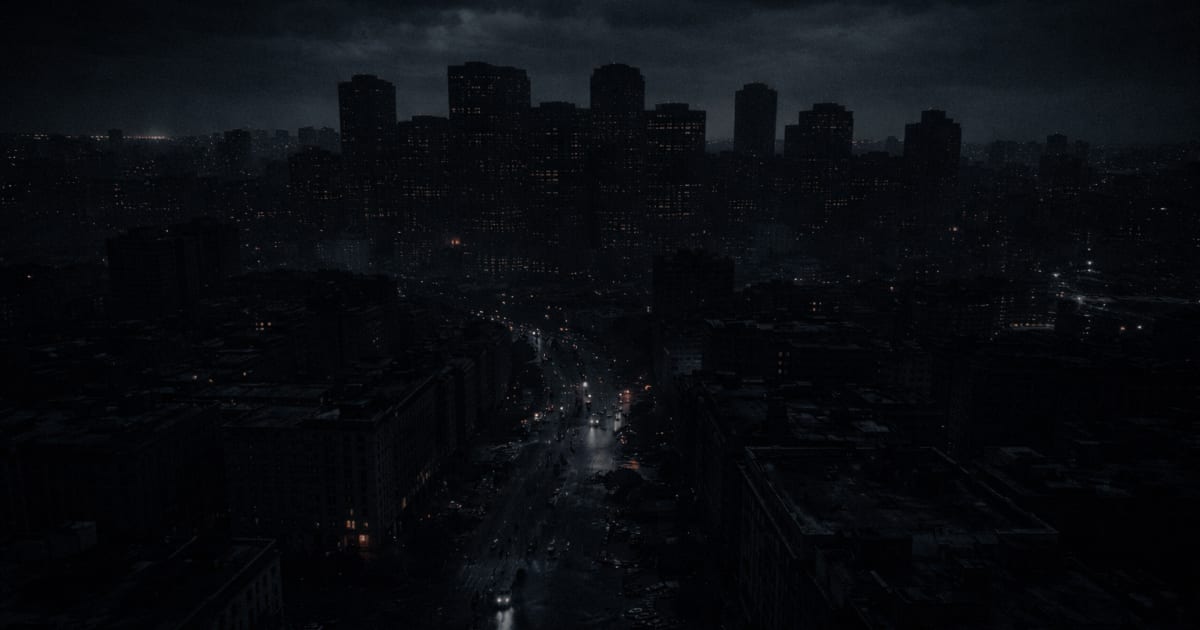
At first, it feels like a normal outage.
Lights go out instantly. Wi-Fi drops. Cell networks become overloaded as everyone tries to figure out what's happening.
Most people assume power will return soon — and that assumption is dangerous.
Within hours:
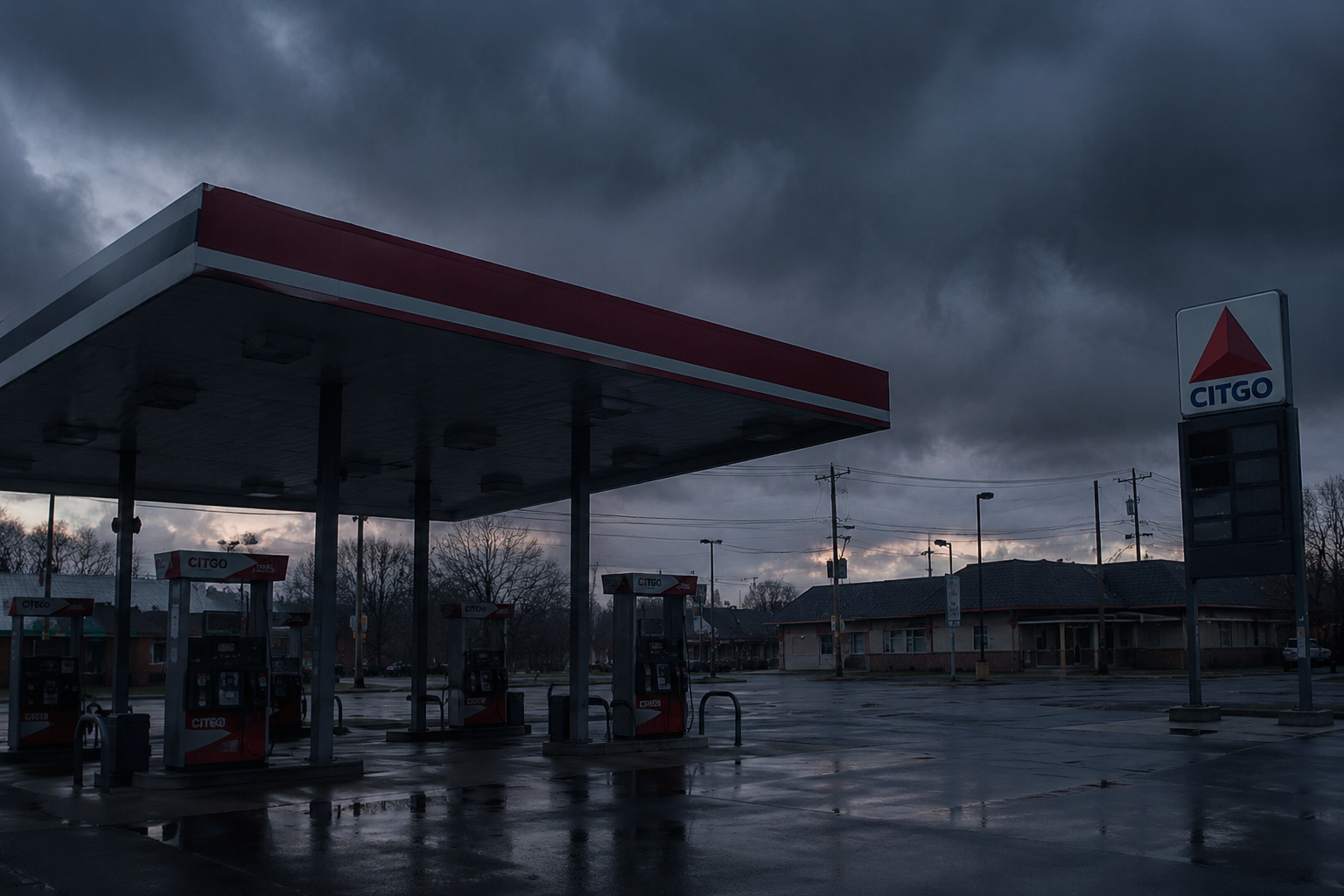
• Grocery stores fill with panic buyers • Shelves begin to empty rapidly • ATMs stop working due to network outages • Traffic lights fail, causing accidents and gridlock • Gas stations shut down because pumps require electricity
People are still relying on normal systems — but those systems are already breaking down.
At this stage, most people remain calm — and that's actually the problem.
The majority wait too long to act, assuming things will return to normal.
By the time panic sets in, shelves are already empty and options are limited.
This is the stage where preparation matters most, because once the next phase begins, options become limited.
24–72 Hours: The Turning Point
After the first day, the situation becomes more serious.
Refrigerated food begins to spoil. Freezers lose effectiveness. Perishable food becomes unsafe within 24–48 hours.
Water systems begin failing. Many rely on electric pumps, and without power, pressure drops or stops completely.
Once food begins to spoil, there's no replacing it.
Stores are either empty or closed, and without power, restocking doesn't happen.
This is where most households realize they don't have enough to get through even a few days.
I tested my own setup — and ran into these problems fast.
👉 Read what actually happened:
Now the real problems begin:
• Clean drinking water becomes limited • Food waste increases rapidly • Emergency services are overwhelmed • Gas stations remain offline • Travel becomes difficult or impossible
Most households are not prepared for this stage.
This is where people begin to realize how dependent they are on electricity — and how quickly things can spiral.

3–7 Days: System Breakdown
By day three, supply chains collapse.
Grocery stores are empty. There are no restocks coming. Modern logistics depend on fuel, digital systems, and coordination — all of which are disrupted.
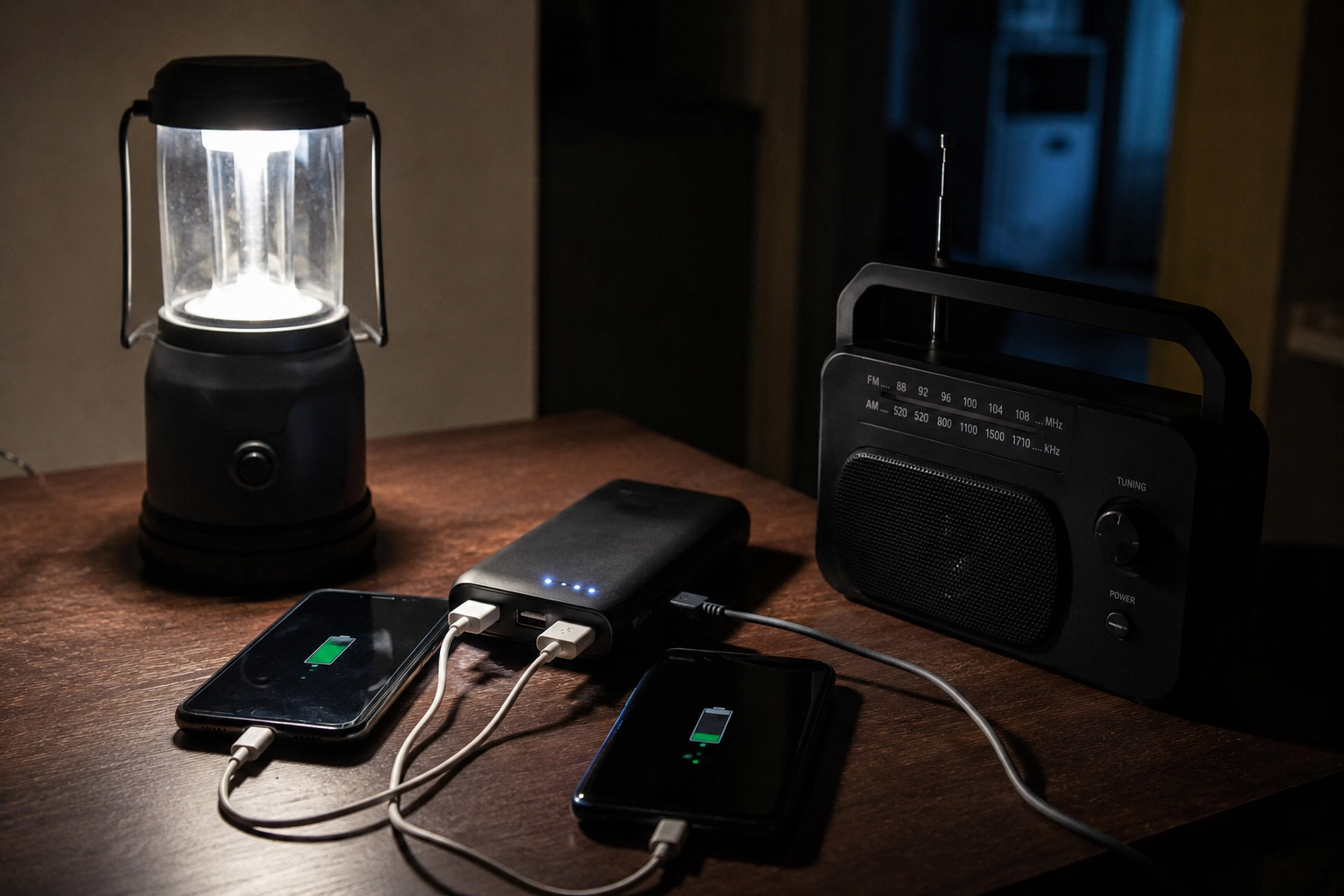
Communication becomes nearly impossible. Phones die once they can no longer be charged. "Internet access disappears completely."
This is where society shifts from inconvenience to survival mode.
This is the point where most people realize they waited too long — and there's no easy way to recover.
At this stage:
• Food shortages become severe
• Communities begin rationing supplies
• People search for alternative resources
• Stress, fear, and tension increase
This is where society shifts from inconvenience to survival mode.
By this point, you are no longer dealing with a temporary outage — you are living in a system failure.
If you didn't prepare ahead of time, your choices become extremely limited.
1 Week and Beyond: Survival Conditions
After one week, the situation becomes critical.
Water becomes the number one priority. Without clean water, dehydration and illness become serious risks.
Food becomes scarce. Most households only store a few days' worth of supplies. Without resupply, people are forced to ration or go without.
Other major issues include:
- No heating or cooling
- No medical support
- Increased safety risks
This is where things become dangerous.
This is the stage most people never prepare for — and it's the most critical.

What Fails First in a Grid-Down Scenario
The biggest mistake people make is thinking the power itself is the problem.
In reality, it's everything connected to the electric grid that fails.
Water systems fail due to pumps: Electric pumps stop working, cutting off access to clean water.
Refrigeration fails within 48 hours: Food spoils within 24–48 hours, leading to shortages.
Fuel access disappears: Gas stations cannot operate, stopping transportation.
Communication: Cell towers and internet systems fail quickly.
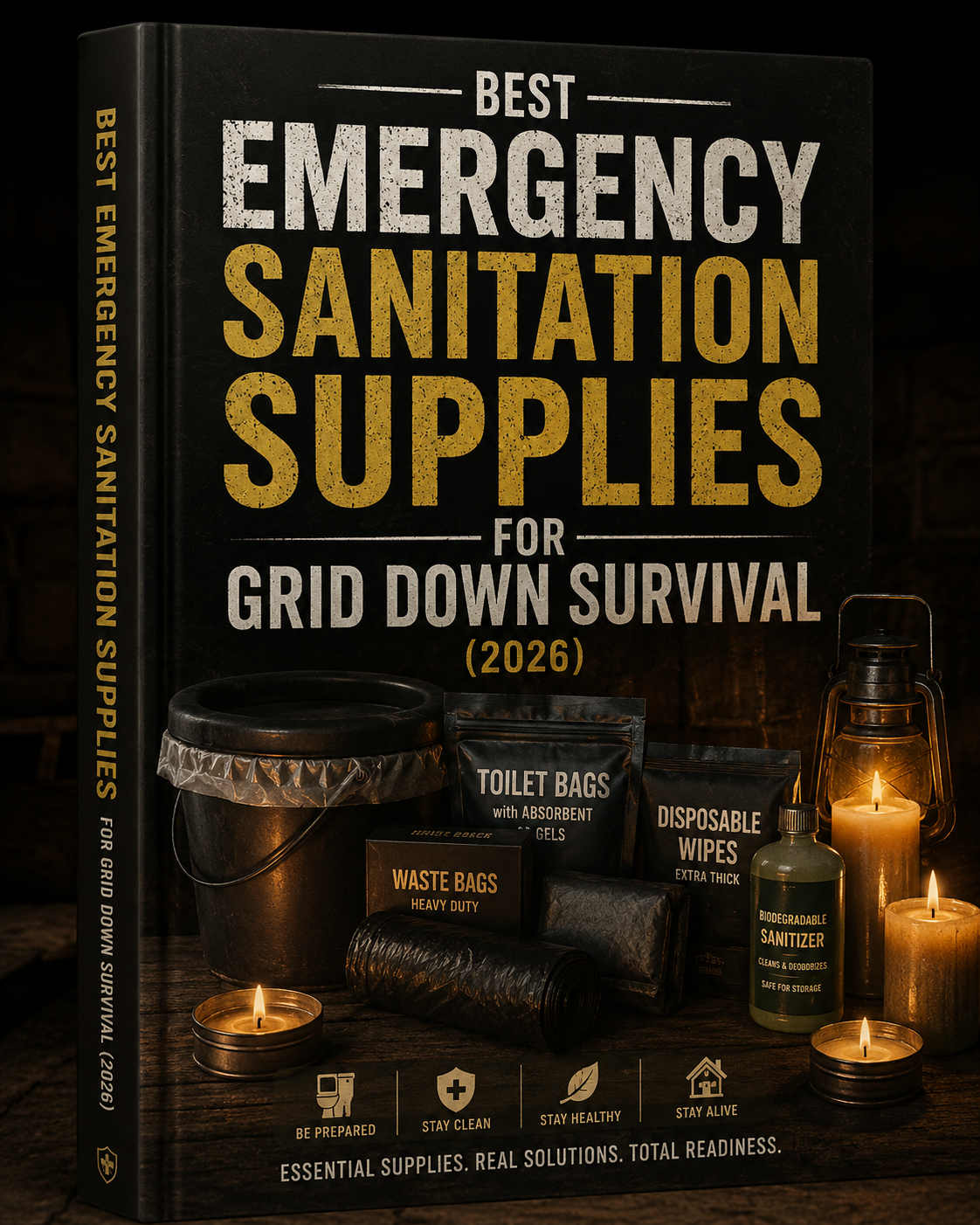
Sanitation: Without water, toilets stop working, creating hygiene risks.
This creates a domino effect — where each failure makes the next one worse.
The 72-Hour Myth
You've probably heard that you only need to prepare for 72 hours.
That advice applies to short-term emergencies — not long-term grid failures.
A real grid-down scenario can last weeks or longer.
If your plan only covers three days, you are not prepared.
This misconception leaves most people vulnerable when systems don't recover quickly.
Real-World Examples
We've already seen how quickly systems can fail:
• Texas power outage: Millions lost power and water for days • Hurricanes: Stores emptied within hours with no restocking • Wildfires: Entire communities lost infrastructure overnight
Now imagine those situations happening nationwide — with no quick recovery.
That's what a true grid-down scenario looks like.
Every Home Is Different
No two homes are the same.
• A family of four runs out of supplies faster • Apartments may lose water sooner • Rural homes may have different challenges than cities • Some households have backup systems — most do not
There is no one-size-fits-all answer.
Understanding your specific situation is critical.
⚡ Most people think they're prepared — until they actually test it.
Test your situation — it may be worse than this timeline
Instead of guessing, you can see exactly what would happen to your home in a grid-down scenario.
👉 See how long YOU would last in a real grid-down scenario:
Use our free Grid Down Simulator to test your home now
This tool shows how long your food, water, and power would last based on your exact setup.
Basic Preparedness Essentials
Water Storage:
Water is the most critical resource. Most people underestimate how quickly they run out.
Backup Power:
Solar generators or portable power stations can keep essential devices running.
Shop Solar Generators & Power Stations
Emergency Food:
Long shelf-life food ensures you have reliable nutrition when stores are empty.
Official Preparedness Resources
For official government guidance on emergency preparedness:
FEMA Emergency Preparedness Guide
Red Cross Emergency Preparedness
Final Thoughts
A grid-down scenario doesn't give you time to prepare once it starts.
The only advantage you have is knowing where you stand right now.
⚠️ Don't wait until it's too late — get prepared now.
Every day without a plan is a risk. Most people wish they had prepared sooner. Start today.
👉 Test your situation before it's too late:
Test your home now with our free Grid Down Simulator
Related Reading:
I Put My ZIP Code Into the Grid Down Simulator — Here's What It Told Me About My Risk
I Tested My Home in a Grid-Down Scenario — Here's What Happened
How to Build a Long-Term Emergency Food Storage Pantry in 2026
Best Water Filtration Systems for Survival 2026