Most people think of a cyber attack as something that happens online — stolen passwords, hacked accounts, or leaked data. The real danger can be much larger. A serious attack can target the systems that support the power grid.
When that happens, the impact moves beyond screens and devices. Lights go out. Water systems can be disrupted. Fuel becomes harder to get. Card payments can stop working. Phone service may become unreliable. Daily life changes fast.
This is why a cyber attack on the grid is not just a technology story. It is a real emergency preparedness issue. The people who wait for confirmation that an outage is serious are often already behind.
Why a Cyber Attack on the Power Grid Matters
The power grid supports almost everything people rely on each day. Electricity helps run communication networks, grocery supply chains, water treatment, hospitals, traffic control, and payment systems. When the grid fails, the effects spread quickly into the rest of daily life.
A storm usually gives people some warning. A cyber event may not. One moment everything looks normal. The next, homes, businesses, and essential services are disrupted. That unpredictability is what makes this kind of threat so dangerous.
Even a limited outage can create confusion. If a disruption lasts longer than expected, people rush to stores, fuel becomes scarce, batteries run low, and basic comforts disappear much faster than most families expect.
For official guidance on infrastructure threats, see the CISA Energy Sector Security Overview.
What Happens First During a Grid Cyber Attack
At first, the signs may look like an ordinary outage. Lights flicker. The internet drops. Cell service becomes unstable. Many people assume the problem will be fixed quickly, so they do nothing. That delay is where the real trouble starts.
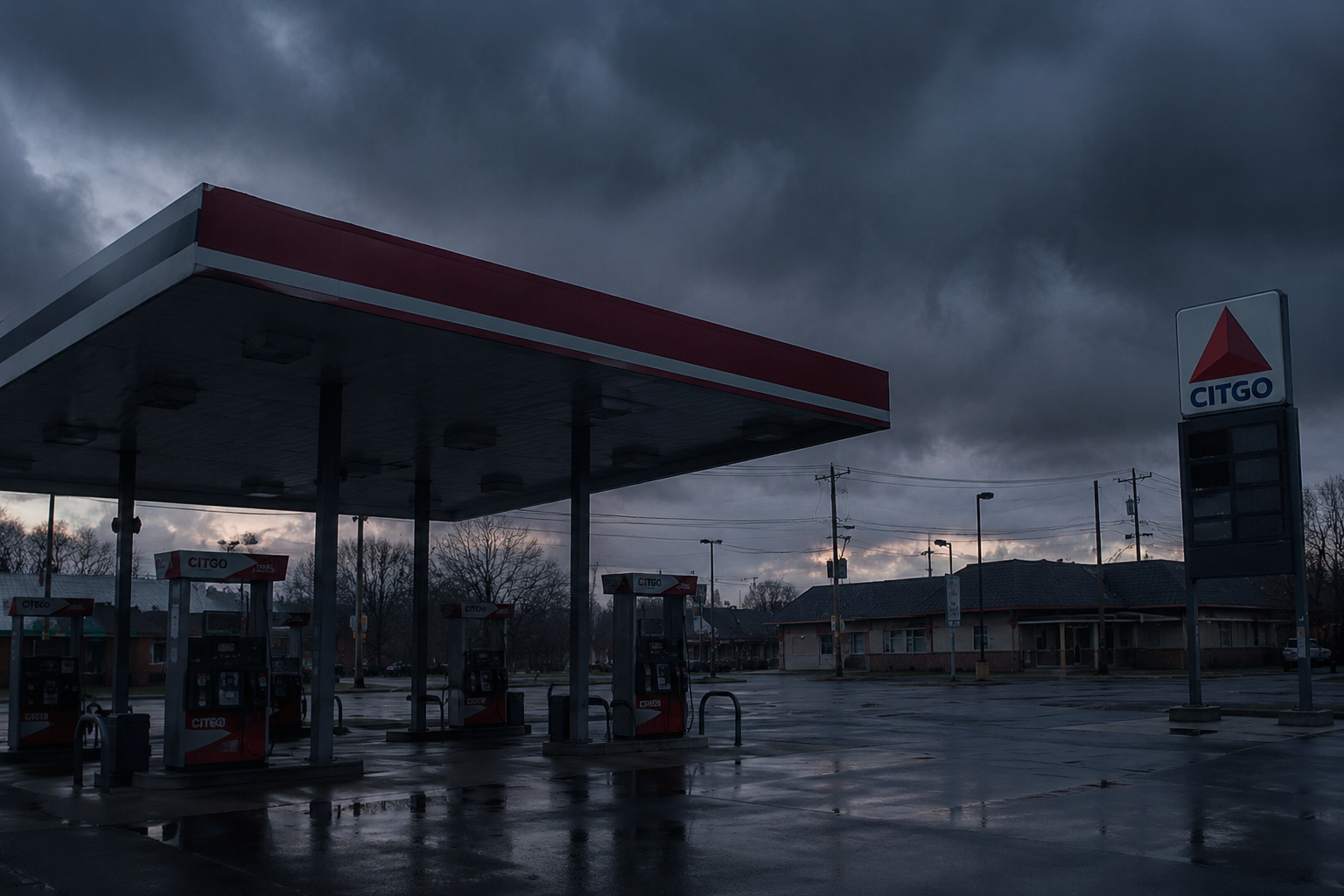
If the outage continues, problems begin stacking up. Refrigerators stop keeping food cold. Electric stoves and microwaves become useless. Gas stations may not be able to pump fuel. ATMs can go offline. Some stores close because they cannot process payments or operate normally.
What starts as a minor inconvenience can turn into a serious situation in a very short time. The outage itself is only part of the problem. The bigger issue is how quickly modern routines depend on power.
How a Grid-Down Scenario Can Unfold
The first day is usually filled with uncertainty. People want to know whether the outage is local, temporary, or part of a larger problem. Good information may be limited. Rumors spread fast. Some families wait and hope for a quick fix, while others rush out for supplies.
Prepared households are in a stronger position right away. They already have stored water, shelf-stable food, flashlights, and charged backup batteries. Everyone else is competing for the same items at the same time.
By the second or third day, food spoilage becomes a real issue. Charging options are limited. Fuel is harder to find. Supply chains begin to strain. This is when a short outage starts feeling like a true emergency.
What Happens If the Power Grid Goes Down? A Step-by-Step Survival Timeline

The Biggest Real-World Risks
A cyber attack on the grid creates more than technical disruption. It creates human problems.
One major risk is panic buying. Water, batteries, shelf-stable food, and emergency supplies can disappear quickly once people realize the outage may last.
Another risk is misinformation. In a confusing event, bad information spreads fast. People make poor choices when they rely on rumors instead of calm preparation and verified updates.
There is also the problem of delayed reaction. Many families do not take an outage seriously until stores are crowded, fuel is scarce, and supplies are already harder to find.
Stress becomes a factor too. Darkness, uncertainty, worried family members, and limited communication make people think less clearly. Preparation reduces stress because you are not starting from zero.
How to Prepare Before It Happens
The good news is that you do not need advanced cybersecurity knowledge to prepare for this kind of event. You need practical supplies and a clear plan for how your household would function if the power went out without warning.
1. Secure Your Water Supply
Water is one of the first areas where people feel vulnerable. Store drinking water at home, but do not rely on storage alone. A dependable filtration option gives you flexibility if normal access becomes limited or unreliable.
2. Build a Simple Food Reserve
You do not need to stock hundreds of products. Focus on shelf-stable food that is easy to store, easy to rotate, and easy to prepare. The goal is to avoid last-minute store runs after the disruption has already started.
3. Prepare for Power Loss
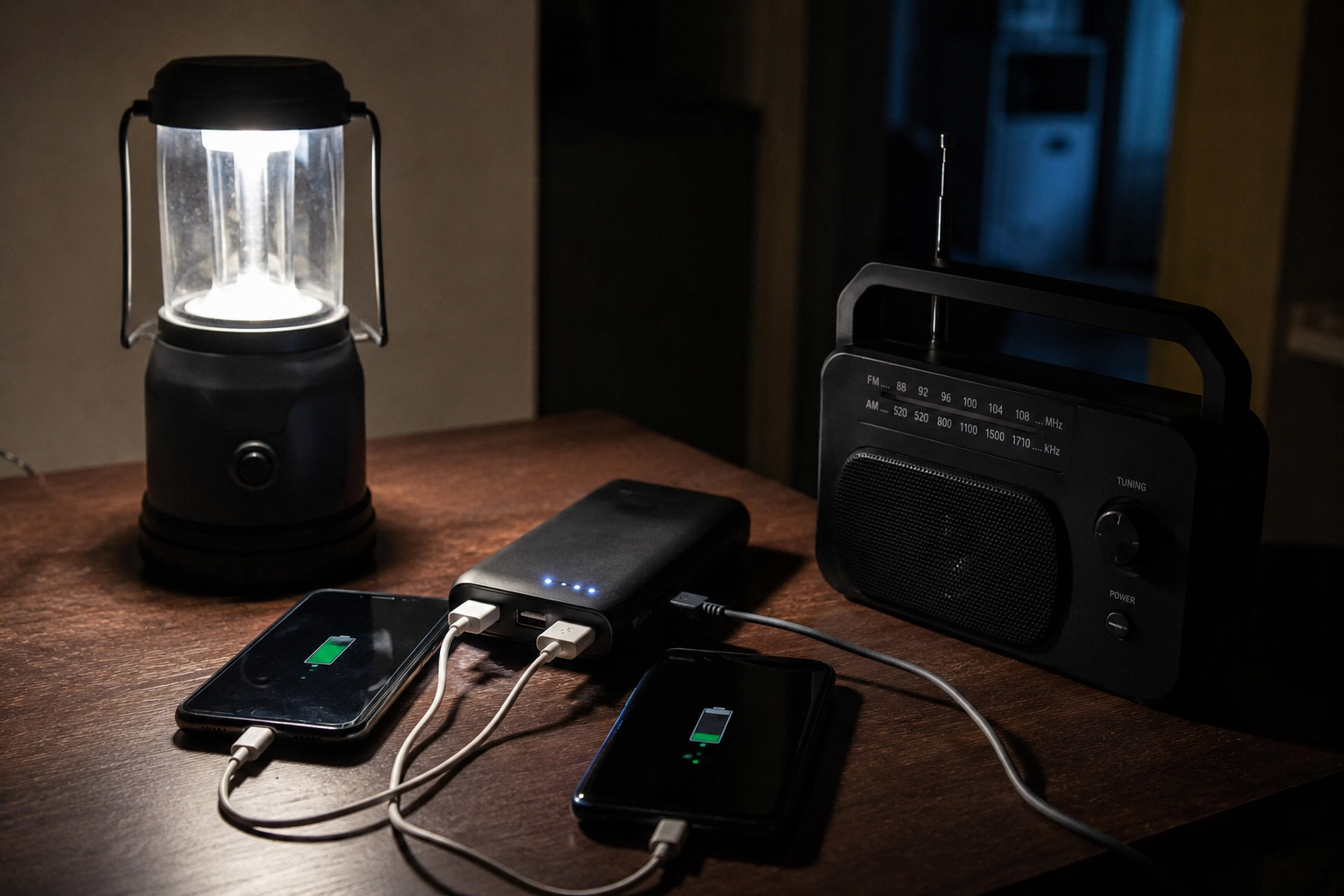
Have flashlights, lanterns, extra batteries, and reliable charging options ready. Even a modest backup setup can make a major difference in comfort, safety, and communication during an outage.

Shop Solar Generators & Power Stations
4. Plan for Communication Problems
Cyber attacks can affect more than household electricity. Phone service, internet access, and normal updates may become unreliable. Keep devices charged when possible and have a backup way to receive important information.
Shop Navigation & Communication Gear
5. Strengthen Your Home Readiness
First aid supplies, hygiene items, backup lighting, and basic tools can all make a difficult situation easier to manage. Prepared homes are not perfect. They simply have fewer weak points.
Why Preparation Matters More Than Ever
Cyber threats may seem distant until they affect something people depend on every day. If the grid goes down, even for a limited period, daily life can change quickly. Water, food, power, communication, and mobility all become more important at once.
Preparation is not about fear. It is about reducing uncertainty before a stressful event begins. The same supplies that help during a cyber-related outage can also help during storms, local blackouts, and other emergencies.
Final Thoughts
A cyber attack on the power grid is not just a problem for experts to debate. It is a real preparedness scenario that can affect ordinary households quickly and without warning. The first signs may look minor, but the longer an outage lasts, the harder life becomes.
The best time to prepare is before it happens. Start with water, food, power, and communication. Build from there. Small steps taken now are far more useful than rushed decisions made later.
Use our free Grid Down Simulator to test your home’s readiness now
Related Reading:
What Happens If the Power Grid Goes Down? A Step-by-Step Survival Timeline
I Tested My Home in a Grid-Down Scenario — Here's What Happened
I Put My ZIP Code Into the Grid Down Simulator — Here's What It Told Me About My Risk