Hurricane season runs June 1 through November 30 — and every year, millions of families wait until a storm is already forming in the Gulf before they start preparing. By then, store shelves are stripped bare, generators are sold out, and gas stations have lines stretching for miles.
The families who make it through safely are the ones who prepared weeks before the first named storm of the season. This guide gives you everything you need to be fully ready before June arrives.
Already building your preparedness system? See our guides on Best Portable Generators for Power Outages (2026), Best Emergency Water Storage Solutions (2026), and Best Emergency Food Kits for Survival (2026).
What Makes Hurricanes Different From Other Disasters
Earthquakes, tornadoes, and wildfires strike without warning. Hurricanes are unique — you typically have 48 to 72 hours of advance notice before landfall. That window is your greatest advantage, but only if your supplies are already stocked and your plan is already in place.
A major hurricane delivers four distinct threats simultaneously:
Storm Surge — The deadliest hurricane hazard. A wall of ocean water pushed inland by wind, capable of reaching 20+ feet in height along coastal areas. Storm surge kills more people than wind damage in most major hurricanes.
Sustained Winds — Category 3 and above hurricanes produce winds exceeding 111 mph, destroying structures, snapping power lines, and turning debris into projectiles.
Inland Flooding — Rainfall totals of 20 to 40 inches during slow-moving storms cause catastrophic flooding far from the coast. Hurricane Harvey dropped 60 inches on parts of Texas in 2017.
Extended Power Outages — Gulf Coast and Southeast states average 10 to 24 hours of outage annually, but major hurricane strikes can leave customers without power for two to six weeks. Read our How Long Do Power Outages Last by State? guide to understand your specific risk.

The Hurricane Preparedness Checklist — Complete by Category
💧 Water — Stock This First
Water is your most critical supply. Municipal water systems fail during hurricanes due to power loss, pipe damage, and contamination. Once that happens, safe drinking water disappears fast.
Minimum target: One gallon per person per day for at least 14 days. A family of four needs a minimum of 56 gallons stored before hurricane season begins.
- Large water storage barrels or stackable water containers
- Water purification tablets as backup
- Portable water filtration system for sourcing from alternative supplies
👉 Check Price on Amazon — Large Water Storage Barrel 55-Gallon
For a complete water storage strategy, see our Best Emergency Water Storage Solutions (2026) guide.
🍱 Food — Two Weeks Minimum for Hurricane Zones
Power outages after major hurricanes routinely last one to three weeks. Refrigerated and frozen food spoils within four hours of losing power. Your hurricane food supply needs to be shelf-stable and require minimal preparation.
What to stock:
- Freeze-dried meal kits with 25-year shelf life
- Canned proteins — tuna, chicken, beans, sardines
- Energy bars and survival rations for no-cook days
- Manual can opener — non-negotiable
👉 Check Price on Amazon — ReadyWise 2-Week Emergency Food Supply
Without power you also need a way to cook. See our Best Emergency Cooking Solutions for Power Outages (2026) for portable stove options that work when the grid is down.
⚡ Power — Your Generator Is Non-Negotiable
A reliable power source separates a manageable hurricane aftermath from a genuine crisis. Generators keep your refrigerator running, your phone charged, your medical devices powered, and your family's morale intact.
Choosing the right generator:
- Portable gas generator — highest power output, runs appliances and AC window units. Requires fuel storage and outdoor-only operation.
- Solar power station — silent, fuel-free, safe indoors. Ideal for charging devices, running fans, and powering small appliances.
- Dual-fuel inverter generator — runs on gas or propane, cleaner power output for sensitive electronics.
👉 Check Price on Amazon — Champion 3500W Dual Fuel Generator
👉 Check Price on Amazon — Jackery Explorer Solar Generator
See our complete Best Portable Generators for Power Outages (2026) and Best Solar Generators & Power Stations for Emergencies (2026) guides.

🎒 Your Hurricane Go-Bag — Ready in 60 Seconds
If evacuation orders come, you need to be out the door in minutes — not hours. Your go-bag should be packed, accessible, and refreshed every six months.
Essential go-bag contents:
- 3-day food and water supply
- Complete first aid kit
- Copies of important documents in waterproof bag
- Cash in small bills — ATMs fail without power
- Phone charger and backup power bank
- Flashlight and extra batteries
- Change of clothes and rain gear
- Prescription medications — minimum 30-day supply
- N95 masks for post-storm debris and mold exposure
👉 Check Price on Amazon — Complete 72-Hour Emergency Survival Kit
For a complete go-bag breakdown, see our Bug-Out Bag Essentials: What to Pack in Your 72-Hour Emergency Kit guide.
🏠 Home Protection
Securing your home before a storm makes the difference between repairable damage and total loss.
Before hurricane season:
- Install hurricane shutters or pre-cut plywood panels for all windows
- Strap your water heater and gas appliances to wall studs
- Clear gutters and downspouts
- Trim trees within striking distance of your home
- Document all valuables with photos stored in cloud backup
When a storm is 48–72 hours out:
- Deploy all window protection
- Fill your bathtub with water using a WaterBOB liner for emergency drinking water
- Move patio furniture and outdoor items indoors
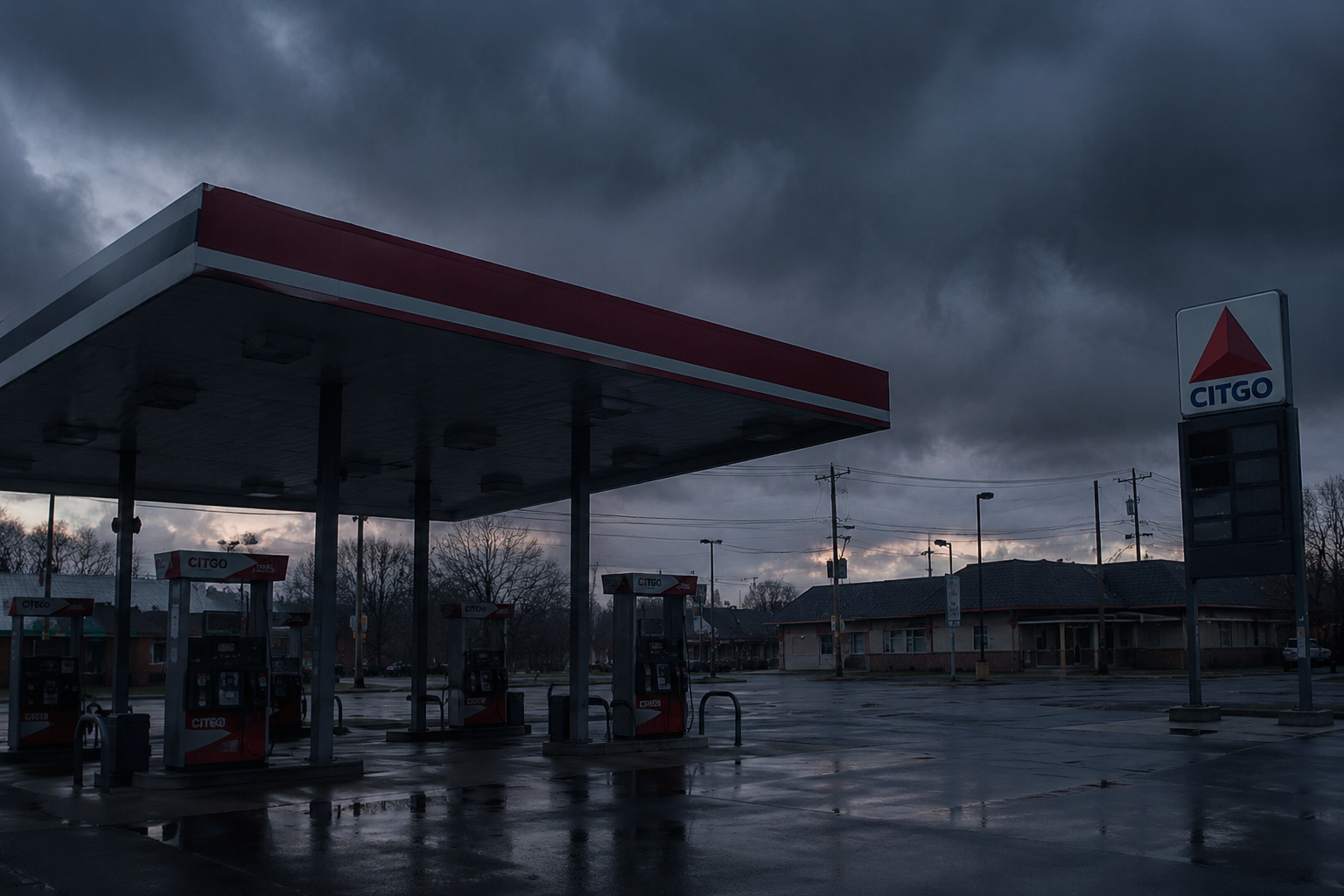
- Fill your vehicle with gas — stations run dry fast
- Charge all devices and power banks fully
👉 Check Price on Amazon — WaterBOB Emergency Water Storage
📻 Communication — Stay Informed When Cell Towers Fail
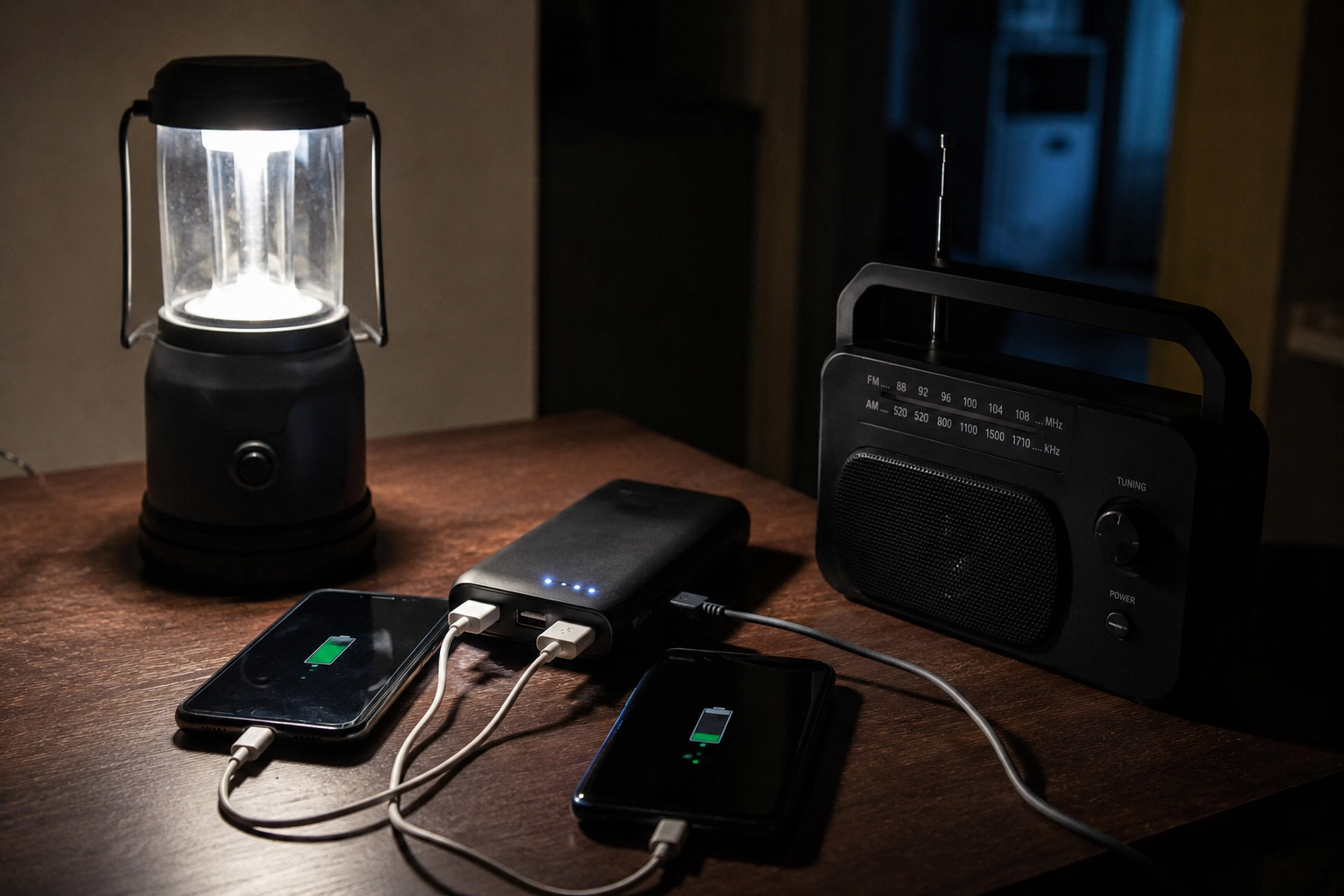
Cell towers frequently lose power or become overloaded during and after major hurricanes. A battery-powered or hand-crank NOAA weather radio is your most reliable communication tool when every other system fails.
Communication essentials:
- NOAA hand-crank emergency weather radio
- Backup battery power bank — minimum 20,000mAh
- Whistle for signaling rescuers if trapped
- Paper copy of emergency contacts — phones die
👉 Check Price on Amazon — Kaito KA500 Emergency Weather Radio
Hurricane Categories — What They Actually Mean for Your Prep
Understanding storm categories helps you calibrate your response correctly.
| Category | Winds | Damage | Power Outage | |---|---|---|---| | Cat 1 | 74–95 mph | Minor structural | Hours to days | | Cat 2 | 96–110 mph | Moderate — roof damage | Days to 1 week | | Cat 3 | 111–129 mph | Major — structural damage | 1 to 3 weeks | | Cat 4 | 130–156 mph | Severe — most homes damaged | 2 to 4 weeks | | Cat 5 | 157+ mph | Catastrophic — area uninhabitable | Months |
The critical insight: Even a Category 1 storm can produce a Category 5-level storm surge depending on coastal geography. Never base your evacuation decision solely on wind category.
Your Hurricane Season Timeline — What to Do and When
Now through May 31 — Before Season Starts:
- Stock all food, water, and supplies
- Test your generator and run it under load
- Build or refresh your go-bag
- Review your evacuation routes
- Know your hurricane evacuation zone
June 1 — Season Begins:
- Monitor the National Hurricane Center throughout the season
- Keep your vehicle at least half full of gas at all times
- Keep your phone charged every night
When a Watch Is Issued (48 hours out):
- Finalize all home protection measures
- Top off gas, water, and any remaining supplies
- Confirm your evacuation plan with family
When a Warning Is Issued (36 hours out):
- If in an evacuation zone — leave immediately
- Do not wait for the storm to get closer
For a complete family communication and evacuation plan, see our Why Every Family Needs an Emergency Plan guide.
The Biggest Hurricane Preparedness Mistakes to Avoid
Waiting until a storm forms — Supplies sell out 48 to 72 hours before landfall. Prepare in May, not when a storm is already in the Gulf.
Under-estimating inland flooding — You don't need to be on the coast to face life-threatening flood risk. Slow-moving storms dump catastrophic rainfall hundreds of miles from shore.
Relying on a single power source — One gas generator without backup fuel or a solar alternative leaves you vulnerable. Layered power solutions keep you covered when fuel runs out.
Not having an evacuation plan — Knowing when to leave and where to go before a storm forms eliminates dangerous decision-making under pressure.
Final Thoughts
Hurricane season does not care whether you are ready. The storm develops on its own schedule, makes landfall regardless of your preparation status, and leaves behind whatever damage it delivers.
The only variable you control is how prepared your household is when it arrives.
Start now. Stock your water. Build your food supply. Test your generator. Pack your go-bag. Review your evacuation plan with every member of your household.
Thirty-five days is enough time to do all of it — if you start today.
Explore our complete Emergency Kits & Bundles and Shop All Survival Gear to build your hurricane preparedness system today.
⚠️ Hurricane season starts June 1 — don't wait. Every day you delay is a day less to prepare. Start building your kit today.