Most people assume they can make one last run to the grocery store when an emergency is announced. In reality, that window closes faster than most households ever expect.
Grocery stores in the United States operate on a just-in-time inventory model — meaning shelves are restocked continuously from daily deliveries rather than from large backroom reserves. There is no warehouse of food sitting behind the produce section waiting to be stocked. What you see on the shelf is essentially all there is.
When a hurricane warning is issued, a major winter storm is forecast, or a widespread power outage begins, panic buying starts immediately. Within hours the bottled water aisle is empty. Within a day the canned goods are gone. Within 48 hours entire sections of the store have been picked clean — and the delivery trucks that would normally restock them are either stuck in traffic, sitting at distribution centers without power, or unable to reach the area at all.
This guide explains exactly how fast grocery store shortages happen during emergencies, what disappears first, and the specific steps your household can take to prepare before store shelves empty — while you still have time.
Why Grocery Stores Empty Faster Than Most People Expect

The modern grocery supply chain is extraordinarily efficient under normal conditions — and extraordinarily fragile under emergency ones.
Most grocery stores carry only two to four days of inventory on their shelves and in their limited backroom storage combined. That sounds like enough until you factor in what happens to demand the moment an emergency is declared. A store that normally serves hundreds of customers per day suddenly serves thousands — all trying to buy the same categories of supplies at the same time.
The just-in-time inventory system was designed to minimize waste and reduce storage costs. Stores receive multiple deliveries per day from regional distribution centers, which in turn receive continuous shipments from suppliers. The entire system depends on an unbroken chain of transportation, fuel, power, and logistics — any one of which can fail during a major emergency event.
When a supply chain disruption hits, the speed of shelf depletion accelerates beyond what most people have experienced. Studies conducted after major hurricane events found that bottled water sold out within two to four hours of a storm warning being issued in affected areas. Canned goods, batteries, and generators followed within the same day. By the time most households decide to prepare, the preparation window has already closed.
Panic buying psychology amplifies the problem significantly. When shoppers see empty shelves, they buy more of whatever is still available — not because they need it, but because the sight of scarcity triggers urgency. This cascade effect means that food shortages spread far beyond the items people actually need most.
For a complete understanding of how infrastructure failures cascade through every system your household depends on, the complete grid down survival guide covers every layer of preparation. The post on what happens if the power grid goes down walks through exactly how quickly normal systems break down when the grid fails.
What Disappears First During an Emergency?

Not all grocery store shortages happen at the same speed. Some categories disappear within the first hour. Others last a day or two before running out. Understanding the order helps you prioritize your emergency preparedness shopping before any emergency is ever announced.
Bottled water goes first — always. It is the single most purchased item during any emergency declaration and the one most likely to be completely gone before most households even get to the store. A family of four going through one case of water per day means stores that stock thousands of cases can be emptied within hours when the entire community is buying simultaneously.
Canned goods, shelf-stable proteins, and ready-to-eat foods follow within hours. Bread, peanut butter, crackers, and dried goods disappear next. By the end of the first day most of the calorie-dense, no-refrigeration-required food categories are sold out or heavily depleted.
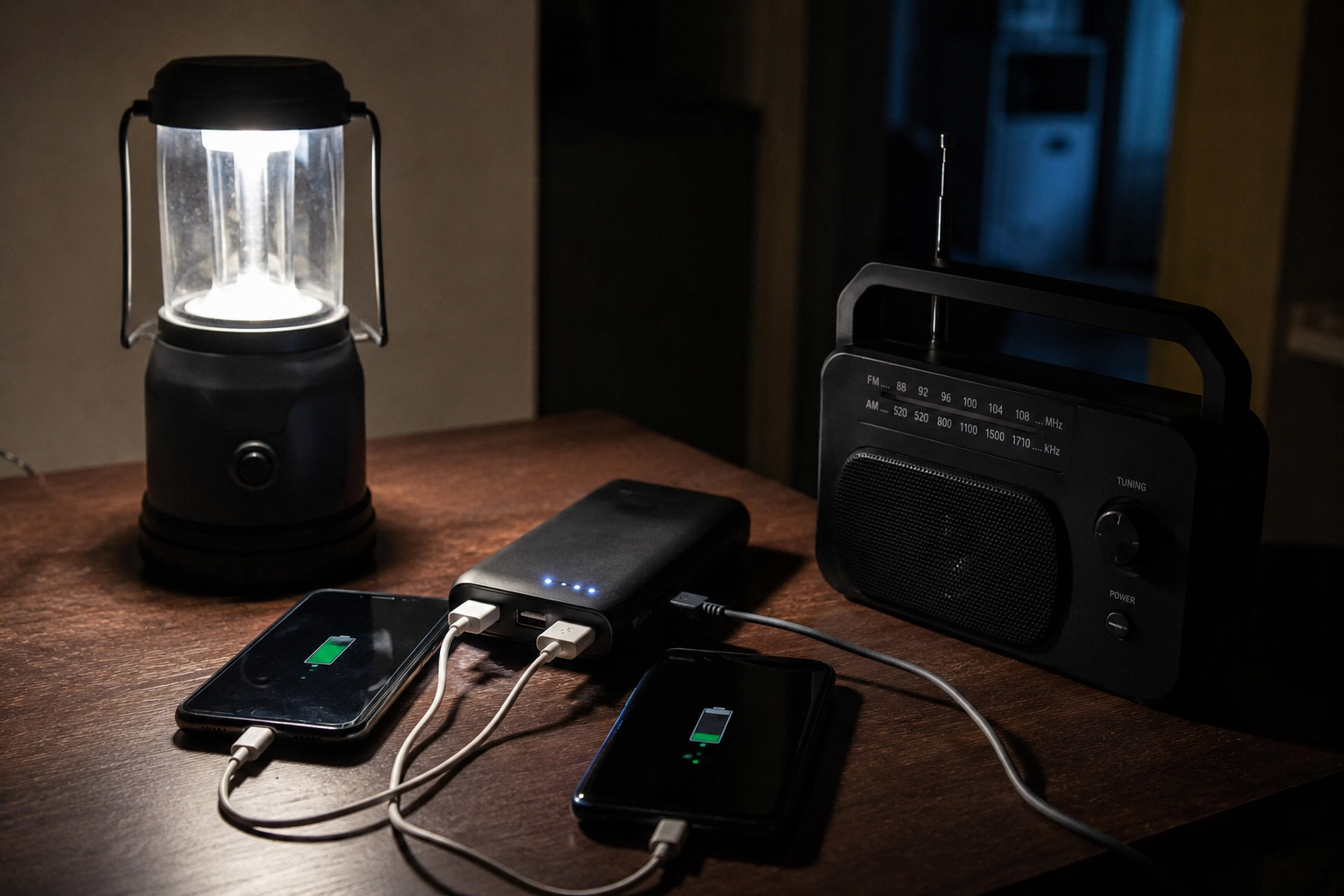
Batteries, flashlights, and candles typically sell out within the first few hours alongside water. Generators and portable power devices go even faster — often before a storm has officially made landfall. Medications, baby formula, and pet food follow within 24 hours as households begin to think beyond the immediate 48 hour window.
Toilet paper, paper towels, and basic sanitation supplies — as dramatically demonstrated during the early months of the COVID-19 pandemic — can disappear within hours based on social media reports alone, even before any actual shortage materializes.
The best emergency food kits for survival covers the top ready-made food options that let you build your supply without competing against panic buyers. The guide on best emergency water storage solutions covers the containers and storage systems that give your household a reliable water supply that never depends on store availability.
Check Price on Amazon – Emergency Food Kit for Long-Term Disaster Preparedness
Check Price on Amazon – Emergency Water Storage Containers BPA-Free for Blackout Preparedness
How Long Can Grocery Stores Function During a Power Outage?
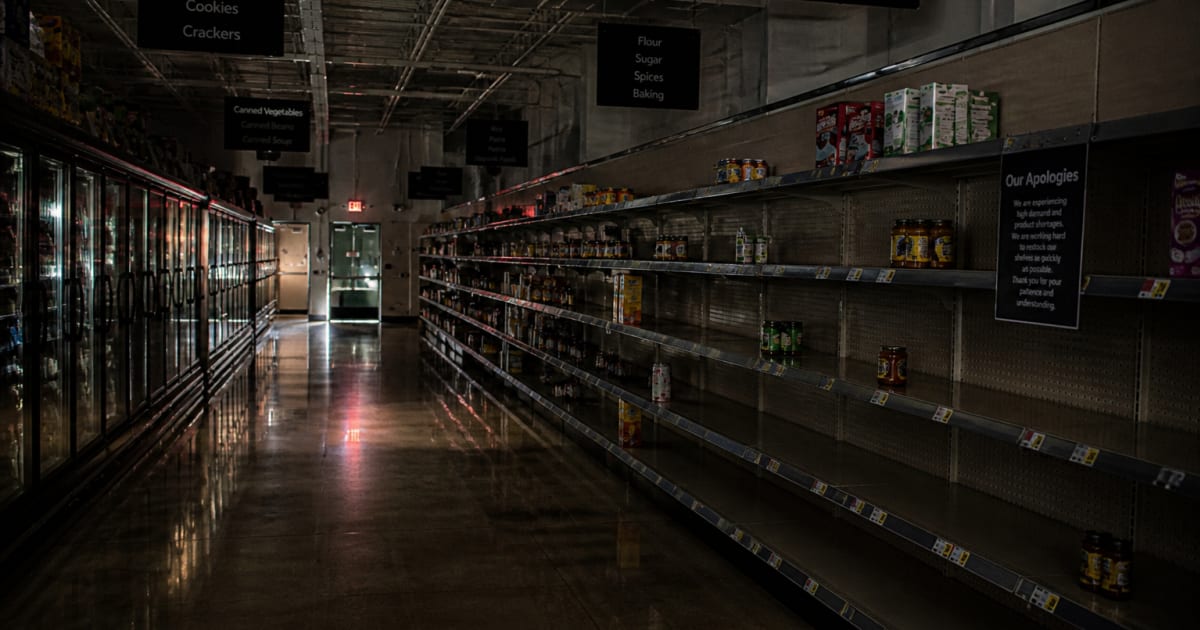
Even if a grocery store has food left on its shelves when a major power outage begins, its ability to operate deteriorates rapidly without grid power.
Refrigeration is the first critical failure. Refrigerated and frozen sections begin warming immediately when power is lost. Most grocery store refrigeration units can maintain safe temperatures for four to six hours without power under normal conditions — less if doors are opened frequently by customers. After that window, perishable food becomes unsafe and must be discarded. This eliminates dairy, meat, produce, and frozen goods from available inventory almost immediately.
Payment systems are the second failure point. Modern point-of-sale systems depend entirely on internet connectivity and power. Without both, card payments are impossible. Some stores can process cash transactions manually, but most modern retail operations do not carry enough change to handle significant cash volume. Many stores simply close rather than attempt manual cash transactions at scale.
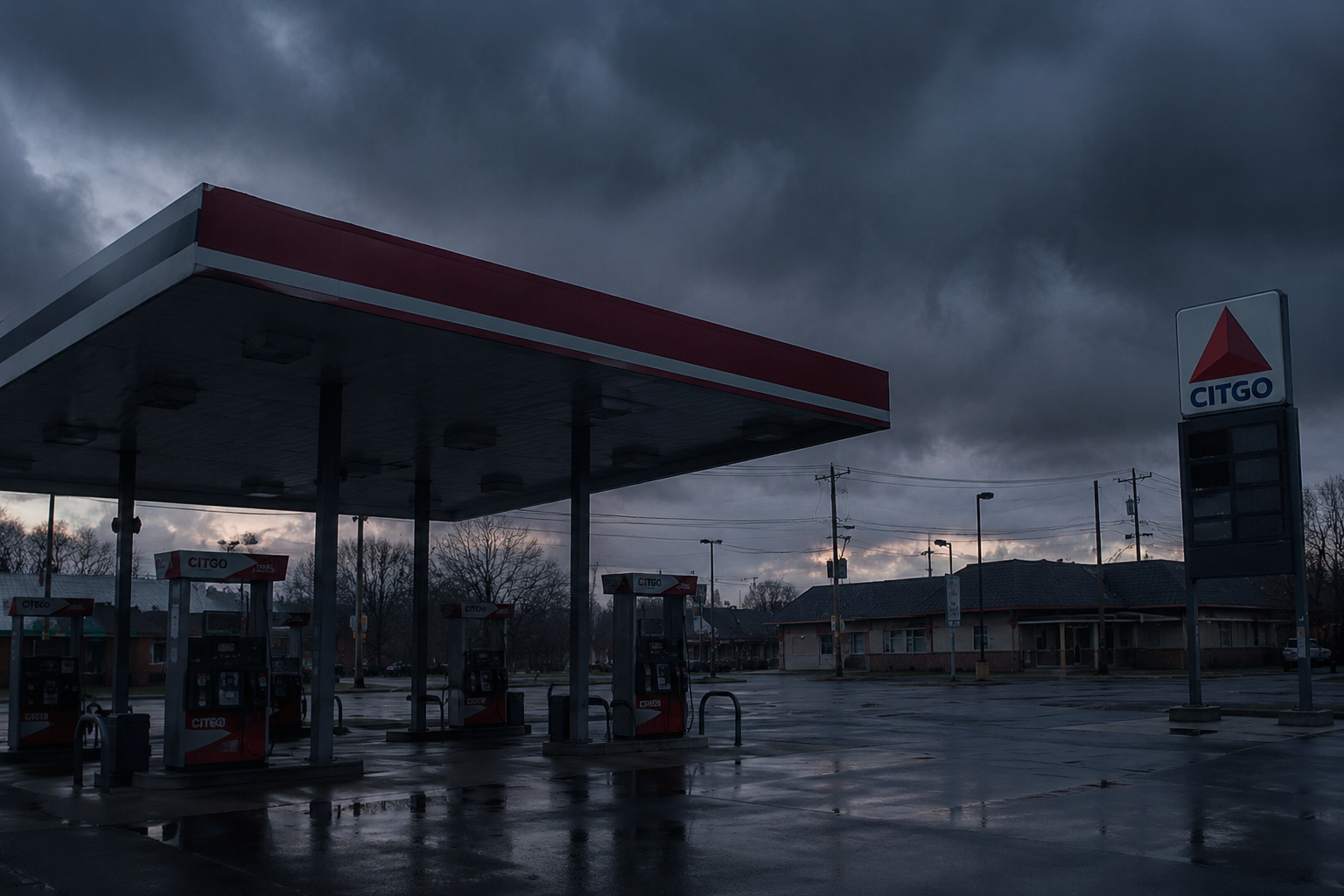
Delivery interruptions compound the problem quickly. Regional distribution centers depend on the same power grid as the stores they supply. Fuel availability at truck stops and distribution points drops as gas stations lose power. Traffic disruptions, road damage, and emergency vehicle priority further delay or prevent restocking deliveries from reaching stores.
The guide on what happens after day 3 of a power outage covers exactly how conditions deteriorate as a blackout extends beyond the initial 72 hours. And for a detailed look at how water availability compounds food supply problems during an extended outage, the post on what happens to water systems during a power outage explains why water and food shortages often hit simultaneously.
Real Examples of Grocery Store Panic Buying
History gives us a clear and consistent picture of how fast grocery store shortages develop during real emergency events — and the pattern repeats itself with remarkable consistency.
During major hurricane events along the Gulf Coast and Eastern Seaboard, bottled water and canned goods routinely sell out within two to six hours of a National Hurricane Center warning being issued. Stores in the projected path of storms routinely receive their last deliveries 24 to 36 hours before landfall — after which no restocking occurs until roads are cleared and power is partially restored, often days or weeks later.
The winter storms of 2021 that struck Texas left millions of households without power for days. Grocery stores that remained accessible quickly ran out of shelf-stable food, water, and heating supplies. Many stores closed entirely due to power loss, leaving large portions of affected communities with no retail food access at all.
The COVID-19 pandemic of 2020 produced the most widely witnessed example of grocery store panic buying in modern history. Toilet paper, hand sanitizer, canned goods, and dried staples sold out nationally within days of the first lockdown announcements — driven entirely by psychology rather than any actual supply chain failure. The real supply chain disruptions came weeks later, compounding what started as panic buying into genuine shortages.
Regional blackouts triggered by summer heat waves, ice storms, and infrastructure failures produce the same pattern on a smaller scale — rapid depletion of emergency supply categories within hours of the outage becoming public knowledge.
Understanding the full range of scenarios that can trigger these shortages helps you build a more comprehensive preparedness plan. The post on EMP attack vs cyber attack breaks down the two most discussed infrastructure threats and how each one affects supply chains and grocery availability.
How to Prepare Before Store Shelves Empty

The most effective emergency food preparation strategy is also the simplest — build your supply gradually, before any emergency is on the horizon, so you never have to compete with panic buyers for the last case of water or the last can of beans on the shelf.
Start with a two-week food supply as your baseline target. This covers the most common duration of a significant emergency event and gives your household genuine independence from store availability during a crisis. Freeze-dried meals are the most efficient way to build this supply quickly — they are calorie dense, have shelf lives of 25 years or more, and require only water to prepare.
Check Price on Amazon – Freeze-Dried Emergency Food Kit for Long-Term Disaster Preparedness
Layer your freeze-dried supply with canned goods, peanut butter, nuts, dried fruit, and other shelf-stable foods your family regularly eats. Rotating your emergency pantry into your regular cooking and replacing what you use keeps your supply fresh without waste. The guide on how to build a long-term emergency food storage pantry covers the complete system for building and rotating a serious home food supply.
Water storage is equally critical and equally overlooked until it is too late. A minimum two-week supply at one gallon per person per day gives your household a reliable water reserve that never depends on store availability. The guide on best water filtration systems for survival covers backup filtration options for extending your supply beyond what you have stored.
Check Price on Amazon – Water Filtration System for Emergency and Grid Down Survival
Backup cooking capability matters as much as food storage. A quality propane camp stove lets you prepare your stored food without grid power, and the guide on best emergency cooking solutions for power outages covers every off-grid cooking option worth having.
Check Price on Amazon – Portable Propane Camp Stove for Emergency and Blackout Cooking
The households that navigate emergencies with the least stress are the ones that bought gradually and quietly over weeks and months — not the ones scrambling to fill a cart in a crowded store the day before a storm hits.
Emergency Grocery Preparedness Checklist
Use this checklist to assess your household food and supply readiness right now. Every item checked is one less thing you need to fight for when panic buying starts.
Food Supply:
- Two-week supply of freeze-dried meals and canned goods
- Peanut butter, nuts, dried fruit, and shelf-stable snacks
- Manual can opener — keep one in your kit and one in your kitchen
Water Supply:
- Minimum two-week supply at one to two gallons per person per day
- BPA-free storage containers rated for long-term use
- Water filtration system as backup
Household Essentials:
- Batteries in all sizes your devices require
- Flashlights and headlamps fully charged
- First aid kit stocked and accessible
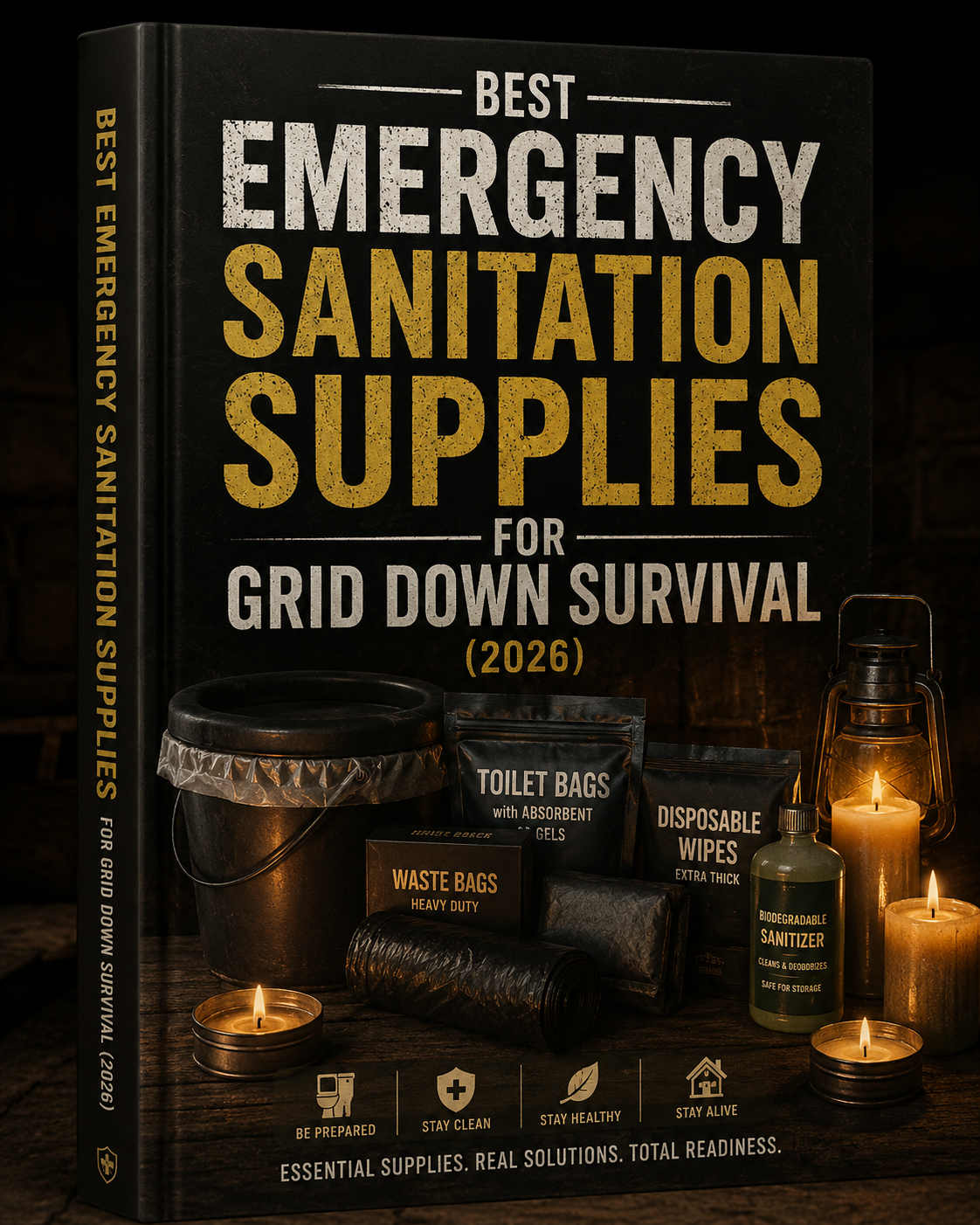
- Toilet paper and sanitation supplies for two weeks
- Baby formula and pet food if applicable
Backup Cooking:
- Propane camp stove with two-week fuel supply
- Metal cups and cookware rated for open flame use
- Lighter, waterproof matches, and fire starting backup
Prepare Before Everyone Else Panics
Grocery store shortages during emergencies are not random or unpredictable — they follow the same pattern every time. Water goes first. Canned goods follow. Within 24 hours the most critical supply categories are gone and the stores themselves begin to close.
The households that come through emergencies without food stress are not the ones who reacted fastest on the day the emergency was declared. They are the ones who built their supply quietly and gradually long before any crisis was on the radar — a little extra food each week, a few extra gallons of water each month, until their household could sustain itself completely independently of store availability.
Preparedness does not require a major investment or a drastic lifestyle change. It requires consistency and the understanding that the time to prepare is always before you need to.
For a complete preparedness framework covering blackout survival, food storage, emergency water, backup power, and long-term grid failure preparation, read our full Complete Grid Down Survival Guide (2026).
Do not wait for the announcement. Prepare now.